

Reliable Automated Gate Operators – R3 Access
Smarter Property Security With Door Access Card Readers
Security today is not just about locking doors anymore.Businesses need better ways to manage employees, contractors, vendors, and visitors without creating confusion at entry points. That’s where Door Access Card Readers make a major difference. Instead of relying on physical keys that constantly get misplaced or copied, properties can manage access through programmable credentials that are easier to control and monitor.
At R3 Access, we help customers explore reliable access control card readers designed for commercial, industrial, residential, and professional environments where secure entry management matters daily.
Modern Access Control for Commercial Properties
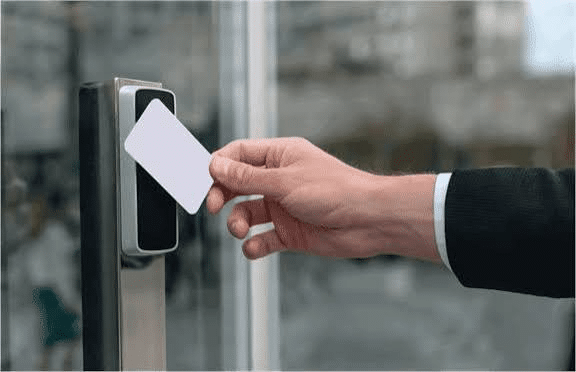
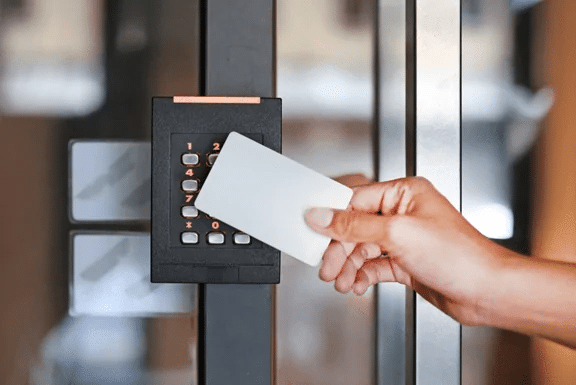
Commercial buildings deal with constant movement throughout the day.Employees arrive. Deliveries show up. Vendors need temporary access. Certain rooms stay restricted while others remain open to approved staff only.Trying to manage all that with traditional keys becomes frustrating pretty quickly.Access control card readers simplify the process by allowing authorized users to enter through programmable credentials like:
That creates several advantages:
- Access cards
- Key fobs
- RFID credentials
- Mobile credentials
The system automatically verifies permissions and either grants or denies entry within seconds.That type of control helps businesses stay organized while improving overall security management.
Flexible Card Reader Systems for Different Environments
Every property operates differently, which means access control systems need flexibility.Some facilities only need one stand-alone card reader at a main entrance. Others may require multiple wall-mounted readers integrated across an entire building or perimeter system.
R3 Access helps customers explore:
- Stand-alone card readers
- Wall-mounted access readers
- Indoor access control systems
- Outdoor-rated card readers
- Wired access systems
- Cloud-managed access platforms
Different environments create different challenges.For example, outdoor systems often require weather-resistant hardware, while high-traffic office buildings may prioritize faster credential processing and larger system integration capabilities.Choosing the right setup early helps avoid problems later.
Why Businesses Continue Moving Away From Traditional Keys
Physical keys still exist, but honestly, they create a lot of unnecessary headaches once a business starts growing.Employees lose them. Keys get copied. Former staff forgets to return them. Replacing locks across multiple doors becomes expensive fast.That’s one reason businesses continue investing in Door Access Card Readers instead.
Modern access control systems allow businesses to:
- Add or remove access permissions quickly
- Restrict certain areas
- Create scheduled access times
- Track entry activity
- Improve perimeter control
- Simplify credential management
And if a card goes missing, it can simply be disabled without replacing every lock connected to the system. That alone saves businesses a lot of frustration.
Reliable Access Control Hardware Matters
Not all card readers perform the same over time. Access control systems are used constantly throughout the day, especially in commercial facilities with heavy employee and visitor traffic. That’s why reliable equipment matters from the beginning.At R3 Access, we carry trusted brands like DoorKing and other industry-recognized manufacturers known for dependable access control performance.
Reliable hardware helps reduce:
- Credential reading failures
- Slow system response times
- Communication issues
- Outdoor weather-related problems
- Long-term operational interruptions
Because honestly, when employees get locked out randomly or systems stop responding consistently, complaints start immediately.
Secure Access Control Starts With the Right System
Whether you need a single stand-alone reader or a larger integrated access control system, choosing dependable equipment matters long-term.R3 Access helps customers explore Door Access Card Readers and modern access control solutions designed for secure property access, easier management, and reliable daily operation.
FAQs
A card reader is some kind of device used in an access control system to scan credentials such as access cards, key fobs, or mobile credentials before entry is allowed into a protected area. The reader then talks with the access control system to check whether the person actually has permission to enter. Door Access Card Readers are often placed at office entrances, gated property sites, apartment blocks, and restricted commercial zones, where controlled entry is needed for stronger property protection and a more organized entry routine.
Access control card readers kinda work by looking at a credential the user shows, like a card , a fob, or even a mobile access device. After it gets scanned, the system compares the details with what’s stored in the access control software. When authorization comes back as approved, the reader then tells the lock to release, so the door or gate opens. But if authorization is denied, that entry point is left secured, you know, staying shut. A lot of modern readers also help by tracking entry activity, so organizations can keep digital records about who got in, and exactly when.
There are several types of card readers you can pick from, based on the property’s access control needs and the security goals. Typical options include stand-alone readers, wall-mounted readers, RFID readers, proximity card readers, mobile-compatible readers, and cloud-managed access systems. Some models are made mainly for indoor offices, while others are built for outdoor gates or industrial sites, where they’re dealing with weather exposure and heavy daily foot traffic. Picking the right reader really depends on where it’s installed and what the operations require.
Yes, modern Door Access Card Readers are commonly integrated with larger security and access management systems. These integrations may include intercom systems, gate operators, surveillance cameras, keypads, mobile access platforms, and cloud-based access software. Integration helps properties create a more complete and organized security environment instead of relying on isolated devices. Commercial facilities especially benefit because employee access, visitor management, and perimeter security can all be coordinated through connected systems.
Picking the proper card reader really depends on a few things, like how much traffic it gets, what the installation environment is like, what security level you need, and whether it plays nicely with your existing systems. For a small office, you might only want a simple stand-alone reader, but for bigger commercial places, you often end up needing a more complete access control setup, with several entry points and all that. If the reader is going outdoors, then weather-resistant hardware becomes a big deal too, because rain, dust, and temperature changes aren’t exactly gentle. Basically, talking with seasoned access control professionals helps make sure what you choose fits the property layout and the long-term operational rhythm, not just what looks good on paper.
A lot of businesses find that Door Access Card Readers bring better control and more flexibility than traditional lock-and-key arrangements. Real keys are kinda simple, but also easy to misplace, duplicate, or just not return after someone leaves. With a card reader approach, companies can add, remove, or update who can enter without swapping out the locks every time. There are also digital entry records, which make it easier to track activity in secured zones and to keep overall access management more organized than before.
Yes, many access control card readers are specifically designed for outdoor environments and perimeter security applications. Outdoor readers are commonly installed at parking gates, secured entrances, loading docks, and exterior access points. These systems are built to handle weather exposure, changing temperatures, dust, and heavy daily usage. Choosing outdoor-rated equipment is important because standard indoor readers may not perform reliably when exposed to rain, direct sunlight, or harsh environmental conditions over time.
Access control card reader systems are used across many industries because controlled entry management has become important for both security and operational efficiency. Industries commonly using these systems include healthcare, education, commercial offices, warehousing, manufacturing, government facilities, retail properties, apartment communities, and industrial operations. Different industries may require different levels of security, traffic management, and credential tracking depending on how sensitive or restricted certain areas of the property are.
Yes, one major advantage of modern access control systems is the ability to handle temporary credentials pretty easily. Businesses can issue temporary access cards, or scheduled permissions, or even time-restricted credentials for contractors, visitors, vendors, or temporary employees. Once that approved time window ends, access can automatically expire without needing to change physical locks. That flexibility helps businesses keep tighter control over restricted areas, and also makes visitor management easier and lowers unauthorized access risks.
Compatibility matters a lot because not every card reader, controller, and access system communicates the same way. If you order incompatible equipment, you often end up with installation delays, operational annoyances, and extra costs later on, like after the project is already underway. Older building specifications and outdated blueprints sometimes make all of that worse, or at least more complicated. Good planning helps make sure the chosen Door Access Card Readers integrate smoothly with gates, doors, intercoms, surveillance systems, and the existing security infrastructure that is already in place at the property.
Yes, many current access control systems support mobile credentials so users can open doors or gates straight from their smartphones. Mobile access setups can reduce dependence on physical cards and key fobs, while also making credential management less of a chore for businesses. They can also make remote access updates simpler and speed up employee onboarding, too. Still, some facilities prefer to keep physical credentials alongside mobile access, depending on day-to-day operational requirements and the overall security preferences they follow.
Businesses continue choosing R3 Access because access control systems require more than simply purchasing hardware. Proper planning, compatibility guidance, and product selection all play major roles in long-term system performance. R3 Access helps customers explore card reader solutions based on property type, traffic flow, environmental conditions, and security requirements. Our team works closely with trusted manufacturers and continues to stay informed on newer access technologies to help customers avoid compatibility issues and costly project delays.