

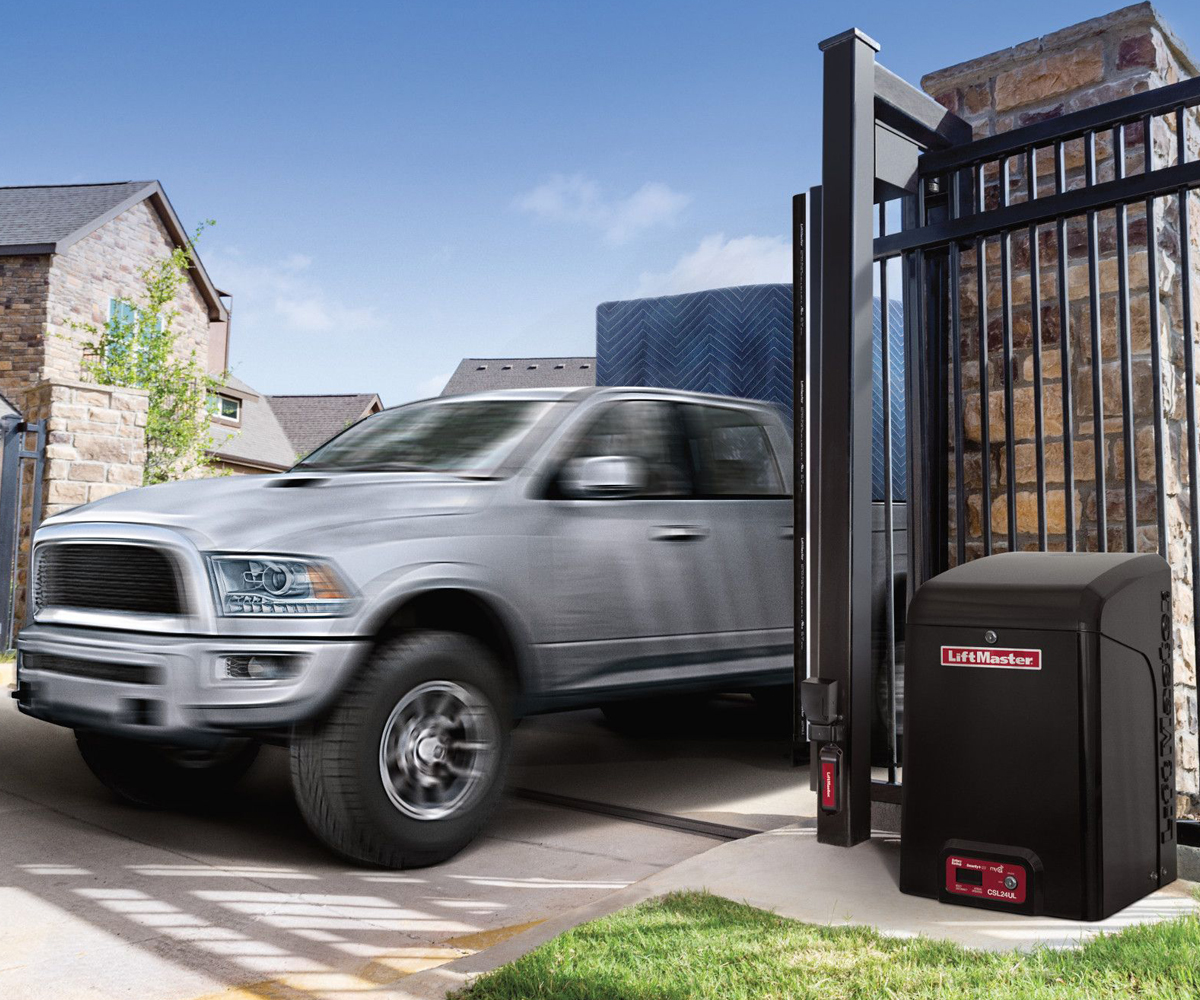
Reliable Automated Gate Operators – R3 Access
Keypad Access Systems for Residential & Commercial Properties
Security has changed a lot over the years. A simple lock and key setup usually isn’t enough anymore, especially for gated communities, apartment buildings, commercial properties, and facilities managing daily traffic. Property owners want better control over who enters the site without making access frustrating for residents, employees, or visitors.
That’s where a Keypad Gate Entry System becomes useful.
Instead of relying only on physical keys, users enter a personal access code directly into the keypad to gain entry. Simple idea, honestly. But it solves a lot of access problems for both residential and commercial properties.
At R3 Access, we help customers explore keypad access systems that are reliable, user-friendly, and compatible with a wide range of automated gate and door operators.
Why Many Properties Choose Keypad Access Systems
Some gated communities still prefer having security personnel stationed at entry points 24/7. But many properties now place access control directly into the hands of residents, employees, or authorized users through keypad systems.And for a lot of properties, that setup just works better.
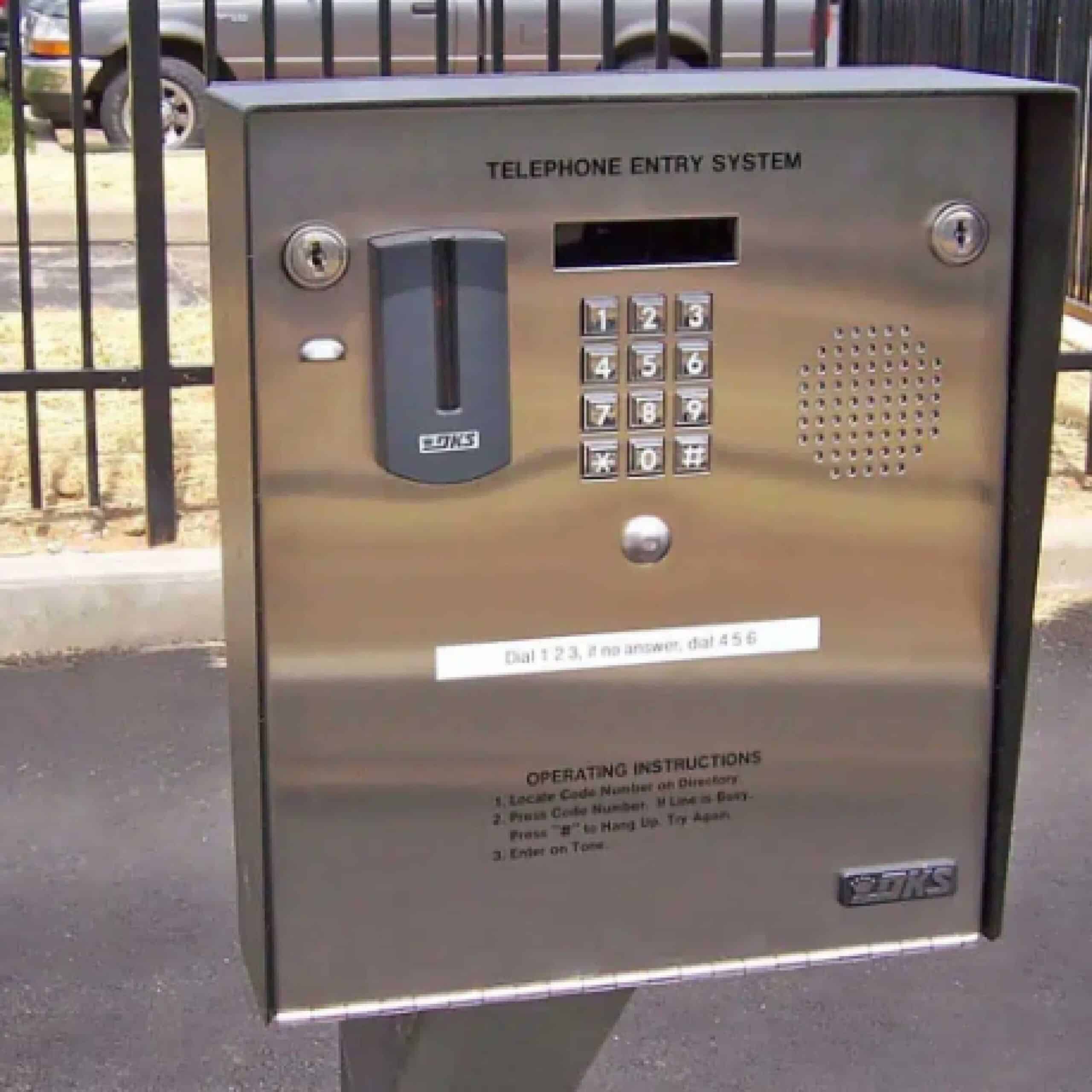
A Keypad Gate Entry System allows authorized users to enter a secure code to open gates, doors, or controlled access points without needing physical keys or access cards.
That creates several advantages:
- Easier visitor management
- Reduced key replacement issues
- Better control over authorized access
- Simpler entry for residents and employees
- Lower dependency on physical credentials
Keypad systems are also flexible enough to support different property sizes and traffic levels.
Residential communities may use them primarily for resident entry, while commercial facilities often combine keypad access with additional security systems for more controlled perimeter management.
Keypad Gate Entry System Solutions for Residential Communities
Residential communities continue to be one of the most common environments for keypad access systems.Residents want secure entry without needing to carry multiple keys, remotes, or access cards every day. Property managers also need a system that’s manageable without becoming difficult to update or maintain.
A properly configured Keypad Gate Entry System helps residential communities:
- Manage resident access
- Control visitor entry
- Improve perimeter security
- Reduce unauthorized access
- Simplify entry management
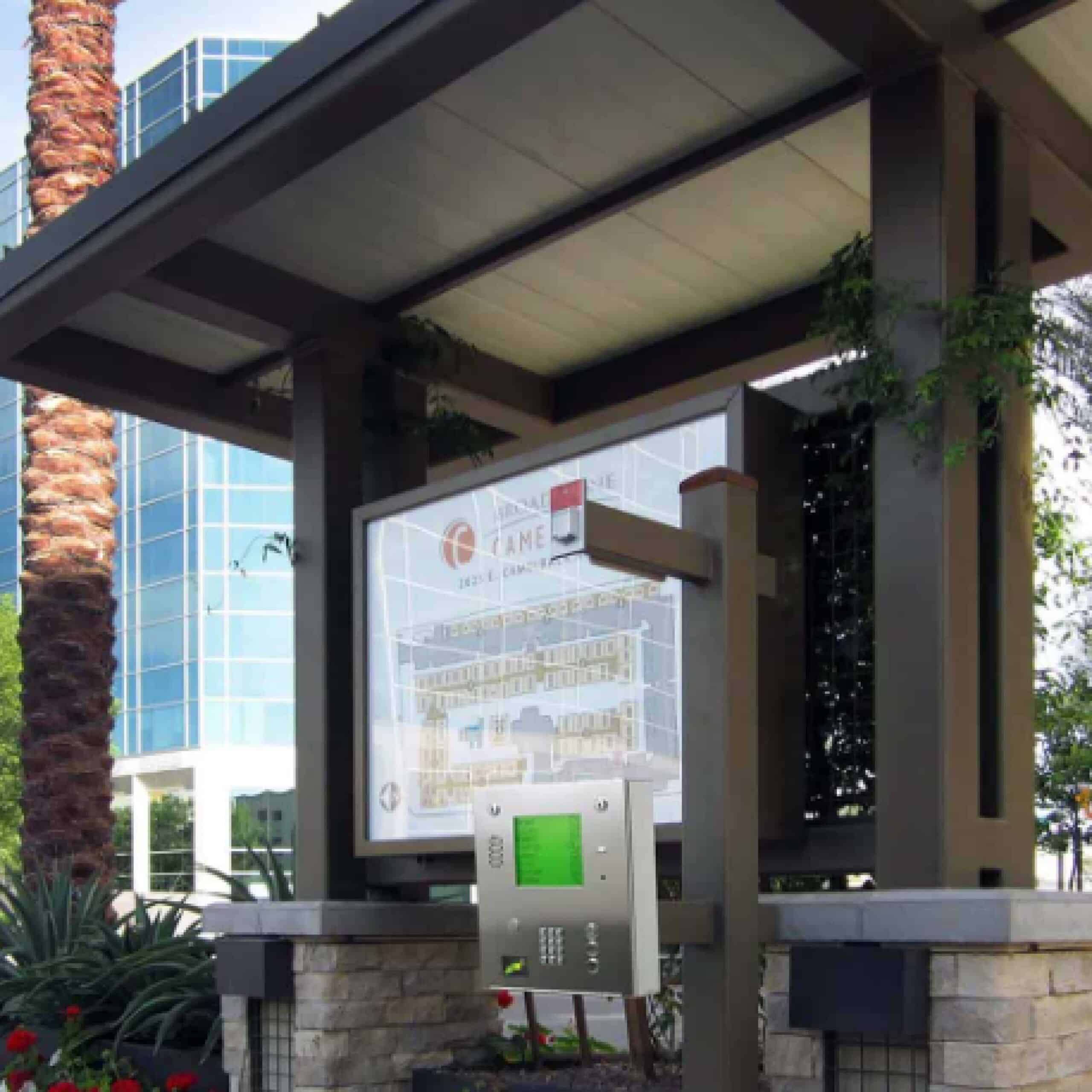
Some communities also combine keypad systems with intercoms, gate operators, and telephone entry systems for added convenience and layered security. That combination creates smoother entry management while still keeping the property secure.
Commercial Properties Need Controlled Access Too
Keypad access systems are not limited to residential properties. Commercial buildings, warehouses, industrial sites, office facilities, and parking areas often use keypad systems to help manage employee and authorized visitor access.
Commercial environments usually need:
- Controlled employee entry
- Restricted access zones
- Delivery access management
- After-hours entry control
- Flexible access permissions
A keypad system helps simplify those tasks without requiring complicated infrastructure for every location. Many commercial properties also appreciate how easy it is to update access codes when staffing or security needs change. Compared to replacing physical keys, updating a code is obviously much simpler.
Compatible With Automated Gates and Access Systems
One major advantage of keypad systems is compatibility. Modern keypad access systems are designed to work alongside many:
Automated gate operators help properties:
- Automated gate operators
- Door access systems
- Intercom systems
- Telephone entry systems
- Access control platforms
- Cloud-based management tools
This flexibility allows properties to create more complete access control setups instead of relying on a single entry device alone.
At R3 Access, we continue helping customers navigate system compatibility because outdated blueprints and incorrect project specifications cause more problems than people realize.vSometimes equipment gets ordered before anyone checks if the systems actually communicate properly. That usually ends badly.
Why Customers Continue Working With R3 Access
Choosing the right access control setup can feel overwhelming, especially when different manufacturers, gate operators, and entry systems all need to work together properly.
That’s why R3 Access continues supporting:
- Homeowners
- Contractors
- Property managers
- Commercial facilities
- Builders
- Architects & specifiers
find keypad access solutions designed for their property requirements.
Questions are always welcomed because access control planning is rarely one-size-fits-all.
Explore Keypad Access System Solutions
Whether you’re managing a gated community, commercial property, industrial site, or residential entrance, dependable keypad access systems help improve security and simplify daily access management.
R3 Access helps customers explore keypad gate entry system solutions designed for secure, reliable, and user-friendly property access.
FAQs
A keypad access system lets approved users enter a secured area by typing a distinct code directly into a keypad device. These setups are usually found on gates, doors, parking locations and restricted access zones, places where managed entry really matters. Rather than leaning on physical keys or access cards, people just key in their assigned PIN number to get in. Keypad systems are popular because they feel simple, dependable, and not too hard to handle across both home settings and commercial sites.
A keypad access system works by linking a keypad device with an automated gate operator, a door system, or an access control platform. When a correct access code gets entered, the system shoots off a signal to release the gate or door. Different versions may include many user codes, short-term guest PINs, set time access windows, and cloud-based management options. Quite a few keypad systems also pair up with intercoms, telephone entry tools, and automated gates, so you end up with a more whole property access control solution.
Yes, keypad access systems tend to give dependable, controlled entry once they are set up the right way, you know. Using individual user codes basically helps keep the door open only for authorized people, and a lot of modern setups let you change those codes whenever you need. Some systems also tack on timed permissions, audit tracking, and they can even link up with other security tools, like cameras or access control panels. Still, nothing is ever perfect in the real world, but keypad systems stay one of the most used solutions for homes, residential communities, and commercial properties because they usually manage to balance “easy use” with security in a pretty decent manner.
Keypad entry systems are usually seen in residential neighborhoods, apartment complexes, office buildings, and a bunch of other commercial properties. You also spot them in parking garages, warehouses, and industrial sites. Basically, any place that needs managed entry can use this sort of keypad technology. For example, residential communities often go with keypad gate entry systems for resident access and visitor arrival, but in commercial settings, they’re used more to restrict entry to specific zones, staff doors, delivery points, or secured boundary gates across the grounds, not everywhere.
Yes, many keypad systems are built to integrate with wider access control and security setups. This can involve automatic gate operators, intercom systems, telephone entry systems, card readers, cloud-based management platforms, plus remote access technologies. When they integrate, properties can build a more ordered and layered security approach instead of leaning on only one entry method. Still, compatibility planning matters because different brands and technologies can demand certain settings so they work together the right way.
Gated communities tend to pick keypad gate entry setups because they do this kind of simple and efficient job of handling resident and visitor access, not having to rely on staffed security entrances, all the time. A resident can use a personal access code for everyday entry, and then temporary codes, for example, are handed out to guests or service providers. In practice, this tends to help with perimeter safety while also cutting down on operational hassle. A lot of places also like that keypad systems are easier to reconfigure or update, compared to juggling physical keys or swapping access cards around.
Yes, keypad systems are often used in conjunction with automated gate operators for residential and commercial applications. After an authorized code is entered at the keypad, the system then sends a signal to the automated gate operator, which opens the gate. While making it easier to keep vehicles out of the area, it can also be harder for those authorized to enter. Many keypad systems are also designed to be compatible with newer gate operators and perimeter control systems.
Cloud-based keypad systems have another advantage over traditional standalone keypad systems in that permissions can more easily be changed remotely without having to be on-site. Permission changes, access monitoring, and user management can be done via centralized software platforms in these systems. If a community is large or a commercial property, remote management can be time-saving. But the optimal solution remains dependent on the individual property’s operational needs, the level of security required, and the property’s infrastructure.
Yes, keypad access systems are available for both indoor and outdoor applications. The materials used in the construction of outdoor keypad systems are usually weather-resistant and can withstand rain, heat, snow, dust, and heavy use that occurs daily. Indoor systems are usually installed in an office entrance, in a restricted commercial space, or in a building’s secured access point. The appropriate keypad system is dependent on the location where the equipment is to be installed and the amount of system use demanded during the day.
The number of users supported will vary based on the type of keypad system and access control system used. Some residential systems are more limited in permitting a small number of user codes, and many larger commercial systems can accommodate hundreds or thousands of user codes from many entry points. Larger facilities or multi-property environments may require more scalability, which is where cloud-based systems come in. Access can typically be modified on a case-by-case basis, depending on the requirements of each property and/or organization.
Commercial properties use keypad access systems, because they sort of help simplify day-to-day controlled access management for employees, contractors, vendors and visitors, even when stuff changes. These systems can cut down on unwanted entry, but still let property managers update permissions fast, when staffing changes, or schedules get weird. Warehouses, office buildings, industrial sites, and parking areas commonly lean on keypad systems to sort out perimeter access more efficiently. A lot of commercial locations also tie keypad systems into broader access control and security management platforms, so everything talks together, in a quieter way.
Before picking a keypad access system, property owners should really look at the number of actual users, and how well it matches gates or doors, the traffic volume, and then like how much weather it takes, plus the specific access management needs, and of course, whether it can scale later on. Residential properties usually want that kind of simplicity and convenience vibe, while commercial operations tend to require more granular permission handling, and often tighter system integration too. Planning ahead matters because it helps prevent compatibility hiccups later, especially when multiple security technologies and automated gate systems need to work in sync across the whole property, not just one area.