

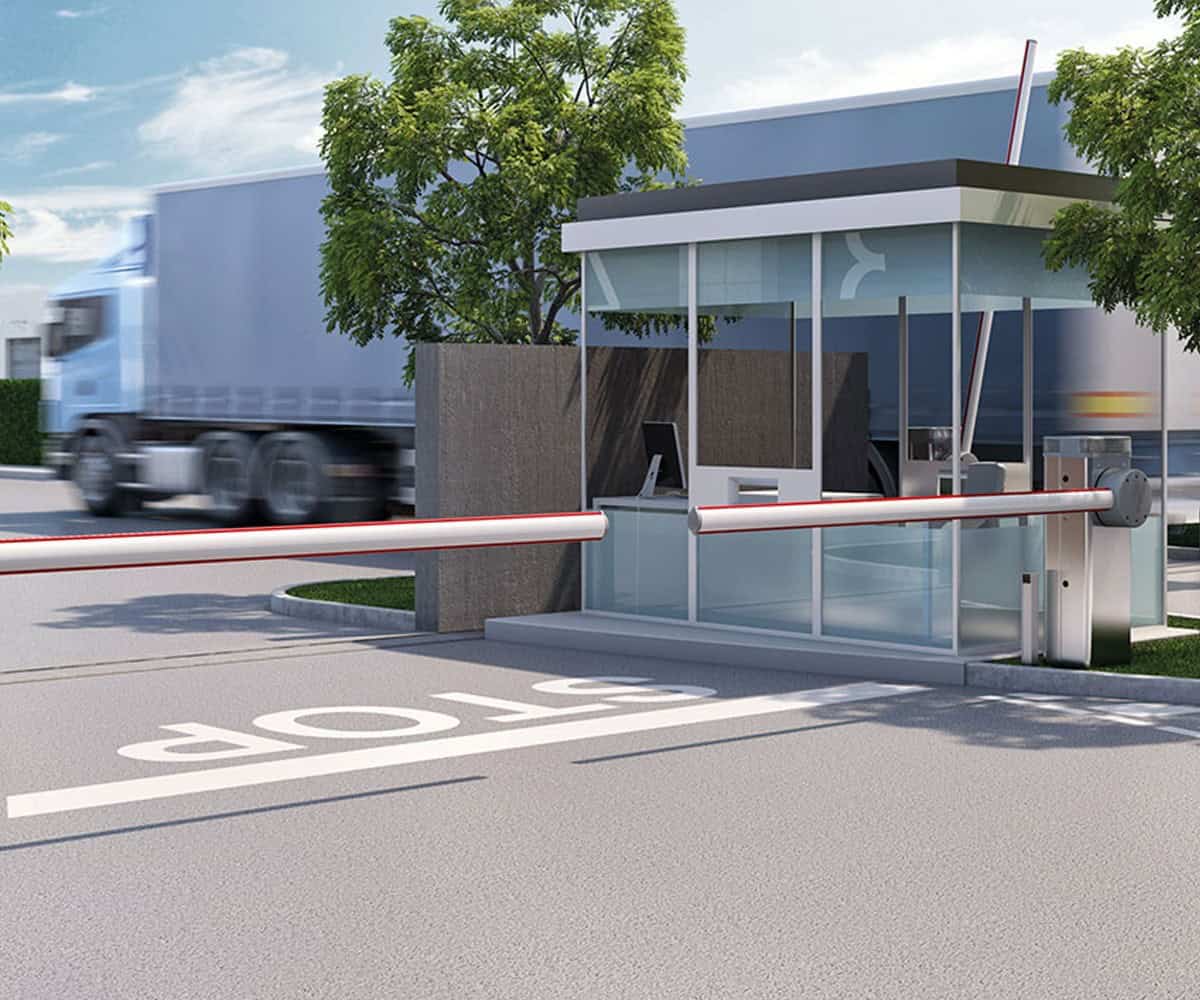
Sliding gates have a way of exposing the wrong equipment choice quickly. A gate that overheats during peak hours or constantly trips safety sensors is often telling you one thing early on. The operator was never the right match. Selecting the strongest model on the list is not the goal when choosing a DoorKing Sliding Gate Opener. It involves knowing how frequently the gate moves and what kind of access control it must provide on a daily basis.
DoorKing designs its sliding gate openers with very specific use cases in sight. The distinction between a system that functions well and one that becomes a recurrent maintenance issue depends on where your property falls on that spectrum.
How are DoorKing Sliding Gate Openers Designed to Be Used?
DoorKing does not use a universally applicable strategy.
Their sliding gate openers are rated by gate weight and duty cycle, as well as intended application. Most people don’t even realize how important the duty cycle is. A gate that opens 20 times a day exhibits quite different behavior than one that opens hundreds of times a day.
Integration is yet another important component. Sliding gates are frequently used in conjunction with access devices like card readers and vehicle detection loops. Residential properties rely more on residential gate access control systems, but commercial and industrial sites require tiered access and more safety redundancy.
It is much easier to choose a model and avoid expensive incompatibilities when these principles are properly acknowledged.
DoorKing 6004 for Light-Duty Residential Use
Small gated communities and individual homes commonly use the DoorKing 6004. It is a wonderful option for homeowners who want dependability without industrial-level power because it is made for lighter gates and smaller traffic volumes.
This variant is compatible with keypads and remote entry, as well as standard access devices and residential gate access control systems. It also provides battery backup alternatives, which are particularly helpful in places where power interruptions are common.
However, the 6004’s lifespan is greatly shortened when it is installed on a gate that receives daily congestion because it experiences trouble with high-frequency use.
DoorKing 6006 for Medium-Duty Applications
Residential and business applications are connected by the DoorKing 6006. It is frequently chosen for low-traffic commercial buildings and compact apartment buildings with common driveways.
Compared to the 6004, this variant manages heavier gates and more frequent cycles yet maintains a comparatively small footprint. It offers strong performance for sites with moderate daily demand and works well with access control systems. The 6006 offers some flexibility without jumping straight to a heavy commercial operator for properties that anticipate more traffic sooner or later.
DoorKing 6100 for Commercial Reliability and High-Traffic Sites
The DoorKing 6100 is where true commercial performance begins. It is designed for continuous operation, which is why it is commonly installed at apartment complexes and work buildings with managed parking facilities.
This DoorKing Sliding Gate Opener model can also handle frequent cycles without overheating or excessive wear. It is built to integrate with advanced access systems and safety devices. Thus, it is ideal for sites that require consistent uptime.
Facilities using layered access control or multiple entry points often pair the 6100 with systems similar to an industrial gate opener setup, even when the site itself is not quite industrial in nature.
DoorKing 6300 for Industrial Applications
The DoorKing 6300 is made to withstand harsh conditions. This concept is key to the continuous operation of logistics centers and industrial manufacturing facilities.
It supports extremely heavy gates with long gate spans and high cycle counts. The construction is more robust, and the motor is engineered for continuous duty. This model is commonly chosen when downtime is not an option.
If your site involves freight traffic or perimeter security requirements with shift-based access, the 6300 aligns closely with the expectations of an industrial gate opener system.
How to Match the Model to Your Property?
Gate weight is the starting point, but it should never be the only deciding factor. The following matter as well.
- Usage frequency
- Environmental exposure
- Access integration
Compatibility with residential gate access control systems is important since residential properties usually value easy entry and noiseless operation. Durability and uptime are top priorities for commercial sites. However, industrial sites prioritize safety compliance and serviceability.
Future needs should also be considered. A property that plans to expand or increase traffic will benefit from selecting a slightly higher-rated operator rather than pushing a smaller unit to its limits.
Compliance Considerations
Although all DoorKing sliding gate openers are made to adhere to UL 325 safety regulations, compliance is made certain by correct installation. Loop detectors and photoeyes are examples of safety equipment that need to be properly set up and maintained.
Power supply consistency matters a great deal as well. Operators that appear oversized for a gate often perform better as time goes by because they experience less strain. This is especially important when integrating multiple access systems or pairing slide gates with barrier arms.
Integration With Access Control Systems
Modern gate systems rarely operate alone. Sliding gate openers often work in tandem with card readers and intercoms, as well as other vehicle detection technology.
Properties that already use or plan to install advanced access solutions should make sure that their chosen DoorKing Sliding Gate Opener supports seamless integration. This is particularly relevant for sites transitioning from simple remotes to managed access platforms.
Installation Quality Matters as Much as the Model
Incorrect installation will cause even the best model to fail too soon. Review the following variables for longevity of performance.
- Track alignment
- Gate balance
- Wiring quality
- Environmental protection
This is why professional assessment holds great value for commercial and industrial installations. A properly matched and professionally installed operator reduces service calls and extends system life.
Mid-project or upgrade scenarios are also a good opportunity to reassess whether your current operator still aligns with site demands. R3 Access can evaluate existing systems and recommend upgrades before failures occur.
Ending Note
The right DoorKing Sliding Gate Opener depends on how your gate is used and how it integrates with your access control strategy. DoorKing offers models built for the demands of all sorts of properties.
If you are unsure which model fits your property today or where your needs are headed, a professional assessment from R3 Access can help you choose confidently and avoid costly missteps later.
People Also Ask
1. Which DoorKing model will work the best for residential property?
The DoorKing 6004 is the most preferred choice for private residences that experience less daily traffic and possess lightweight gates.
2. Will it be okay if I opt for a residential model for a commercial property?
We don’t recommend this at all because commercial properties require models like the 6100 to handle higher usage and longer duty cycles.
3. What happens if my gate operator is undersized?
Undersized operators experience excessive wear and frequent shutdowns with a much shorter lifespan.
4. Do DoorKing sliding gate openers support access control integration?
Yes. Most models integrate with modern access systems. This includes card readers and intercoms.
5. Should I plan for future traffic growth when choosing a model?
Absolutely. Selecting a slightly higher-rated model often prevents premature replacement as usage increases.