

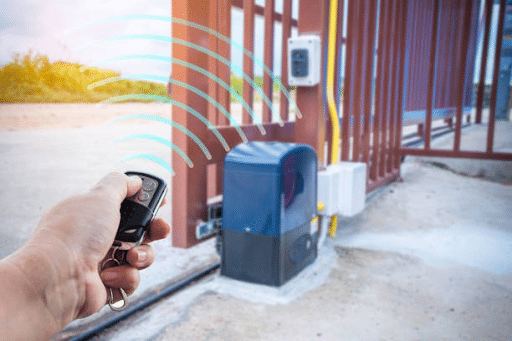
Industrial sites run differently. Trucks roll in all day. Shifts change. Deliveries never stop. A regular gate opener just won’t cut it.
You need a system that handles heavy gates, constant use, and tough weather without breaking down. That’s where a solid doorking sliding gate opener comes in. These units are built for the real work of industrial properties. Picking the right features saves you headaches later. The wrong choice means downtime, security gaps, or constant repairs. Let’s break down what actually matters so you can choose smart.
Why Industrial Properties Need the Right Gate Opener
Industrial yards see way more action than a regular commercial building. Freight trucks. Employee cars. Contractors. All day long. A light-duty operator overheats or wears out fast. You end up with stuck gates and angry drivers. Heavy traffic demands continuous-duty motors and strong construction. That’s the baseline for any serious industrial gate and opener setup. Space is often tight too. Slide gates work well because they move sideways along the fence line. No big swing area needed.
Core Power and Capacity Features That Count
Look at motor size first. Industrial gates get heavy.
Doorking models offer motors from 1 HP up to 3 HP or more in their industrial lines. That torque moves gates weighing thousands of pounds. Gate length matters just as much. Some units handle 75 feet or longer. Match the operator to your actual gate size. Undersizing kills performance. Variable speed control helps too. You can set slower speeds for better control or faster for high-traffic lanes. Soft start and stop cut wear on the chain and gears.
Here’s what high-capacity units typically deliver:
- Continuous-duty motors that run all day without overheating
- Support for gates up to several thousand pounds
- Chain drives built for heavy loads (#60 or #80 chain on bigger models)
- Adjustable speeds from about half a foot to two feet per second
These specs keep traffic flowing instead of creating bottlenecks at the entrance.
Durability Features Built for Harsh Sites
Industrial sites are rough. Galvanized steel housings and solid frames hold up better than lighter residential covers. Many Doorking industrial units use weather-resistant designs that take outdoor abuse.
Oil-bath gear reducers last longer under constant use. They run quieter and need less frequent service. Look for units rated for Class III and IV applications. Those are the limited and restricted access categories meant for industrial and high-security sites.
Safety Features You Cannot Skip
Safety is non-negotiable. A moving gate can hurt people or damage vehicles if it does not stop properly. Doorking Sliding Gate Opener systems include obstruction sensing. The gate reverses or stops when it hits something.
Anti-tailgating is huge for industrial yards. It stops a second vehicle from sneaking through on one open cycle. Partial open features let you open just enough for cars while keeping full width for trucks. That adds another layer of control. UL 325 compliance is standard. You still need proper sensors like photo eyes or loops in both directions. Installation quality decides real-world safety.
Key safety elements include:
- Anti-tailgating circuits
- Adjustable partial open
- Obstruction reverse
- Fail-secure options for maximum security sites
- Compatibility with loop detectors and photo eyes
These features protect workers and keep liability down.
Access Control Integration That Makes Life Easier
A gate opener is nothing more than a motor. The real power is when it communicates with your access system. Most industrial environments require intercoms, long-range RFID for trucks, and keypads or card readers. The Doorking operators simply connect into these. Entries can be tracked, different access can be set for employees or vendors, and everything can be logged. This is important when conducting a security audit. Some models are Gate Tracker models that can receive outputs for access controllers. Useful for larger facilities.
If your site already runs card access or vehicle detection, make sure the operator matches. Compatibility saves money and installation time.
Why Regular Gate Operator Maintenance Matters
Even the best hardware needs care. Heavy cycles, dust, and weather wear out.
Easy monitoring of chain, limits, and sensors stops larger issues. Get good habits in place for maintaining gates. Reliability for years with regular service. If you skip it, minor problems become major failures at peak delivery times. Nobody wants that.
Still figuring out the right setup for your yard?
Contact R3 Access for Expert Advice.
Matching Features to Your Site’s Daily Reality
Traffic volume decides a lot. A quiet warehouse with a few trucks a day is different from a distribution center running 24/7.
High-cycle sites need continuous-duty motors and solid construction. Lower traffic can get by with slightly lighter models, but never go too light. Environmental factors, like cold climates, may need heater options, and dusty sites benefit from sealed components. Think about future growth too. If the facility might expand, choose capacity with some headroom.
Common industrial applications that benefit from strong Doorking units:
- Manufacturing plants
- Distribution centers
- Warehouses
- Utility sites
- Transportation yards
Each has its own mix of vehicle types and security needs.
How R3 Access Helps Industrial Teams
R3 Access understands the day-to-day challenges faced by facility managers, contractors, and property teams. We assist you in matching the sliding door opener with the actual weight, length, and traffic load of your door.
We analyze your existing access control, power supply, and site configuration. After that, we lead you to the models that suit you, without spending any extra money or falling short of the performance standard. Our goal is simple. Obtain a system that is reliable and works hard every day!
Putting It All Together
The characteristics that are most important to industrial properties are obvious. Strong continuous-duty motors. High weight and length capacity. Solid weather protection. True safety features such as anti-tailgating and obstruction detection. Easy integration with an access control solution.
Failure to adhere to any of these can lead to downtime or inadequate security. If they’re done correctly, the gate becomes a sound, reliable component of everyday operations.
Don’t select the cheapest; select the traffic and gate you really need. An excellent industrial system is cost-effective in fewer headaches and enhanced perimeter control.
FAQs
How does R3 Access help choose the right Doorking sliding gate opener for industrial sites?
Based on these factors, R3 Access is able to calculate the weight of the gate, its length, how frequently it is used and the types of access it currently has. Those features are correlated with the proper Doorking model to avoid overspending and undersizing. Our staff collaborate with the facility manager and/or contractors to assess and review power requirements, safety concerns, and future traffic planning. It does this hands-on matching, solving installation surprises, and providing a reliable system right from the start.
Why is a Doorking Sliding Gate Opener ideal for heavy-use industrial yards?
In high-traffic applications, those motor styles that must operate continuously are needed, and they do not overheat after hundreds of cycles. Strong chain drives and solid gear reducers can easily drive heavy steel gates. The flexible speed adjustment, anti-tailgating, and partial open features offer better control when running trucks and cars side-by-side. Weather-resistant housings and industrial-class ratings guarantee performance in dust, rain, and temperature.
Are there any compatibility issues between Industrial Gate Openers and existing card readers and vehicle loops?
Yes. The majority of Doorking industrial operators are made to work together with standard access tools. Standard ports or contacts are used to connect to card readers, keypads, long-range RFID, intercoms and loop detectors. This will allow you to retain badge access for employees and add on truck detection or visitor systems. If it’s integrated properly, the gate won’t be the only barrier in place; it’ll be a component of a larger security system.
How important is regular maintenance for industrial slide gate operators?
If well-maintained, the system can help prevent failure during a busy shift. Big breakdowns are avoided through a simple chain tension check, limit switch monitoring, sensor monitoring and lubrication. Industrial operators receive more cycles than residential, and scheduled service is more important. Good practice will ensure that motor and drive components last longer and problems are reduced that require a call-out.
What safety features are important in an industrial property?
Pay attention to the sensors that sense the obstruction and close the gate, and anti-tailgating to prevent unauthorized follow-through vehicles from entering, as well as to make sure that both forward and backwards entrapment protection sensors are in place. Partial open options provide safe control of different vehicle sizes. The minimum standard is UL 325, but in practice, the only difference is the correct installation of the photo eyes or loops. Safe and damage-limiting features for crowded locations.