

Security isn’t just cameras and alarms anymore. That’s old thinking. Today, the real concern is vehicles. Forced entry, ram attacks, and accidental crashes in sensitive zones. It happens more than people think.
That’s where systems like an anti-ram barrier come into play. These are not regular barriers. They are engineered specifically to stop or slow down vehicle impact before it becomes a disaster.
At R3 Access, crash systems are part of a larger perimeter protection approach designed for high-risk facilities like airports, government buildings, stadiums, data centers, and industrial plants.
Let’s break it down in a simple way.
What is an Anti-Ram Barrier and why does it matter?
An anti-ram barrier is basically a heavy-duty security system built to stop vehicles from entering restricted zones using force.
Not just slow them down stop them.
These systems are tested under strict crash ratings. That means they’re designed to handle real-world impact scenarios, not just theory.
You’ll usually find them in places where even a small breach could turn into a major safety issue:
- Airports
- Military bases
- Power plants
- Stadium entrances
- Government facilities
The idea is simple: if a vehicle tries to force entry, the system absorbs or blocks the impact before it reaches people or property.
It sounds aggressive, but it’s really just smart protection.
Crash Rated Bollards: Small footprint, serious strength
Now let’s talk about crash rated bollard systems.
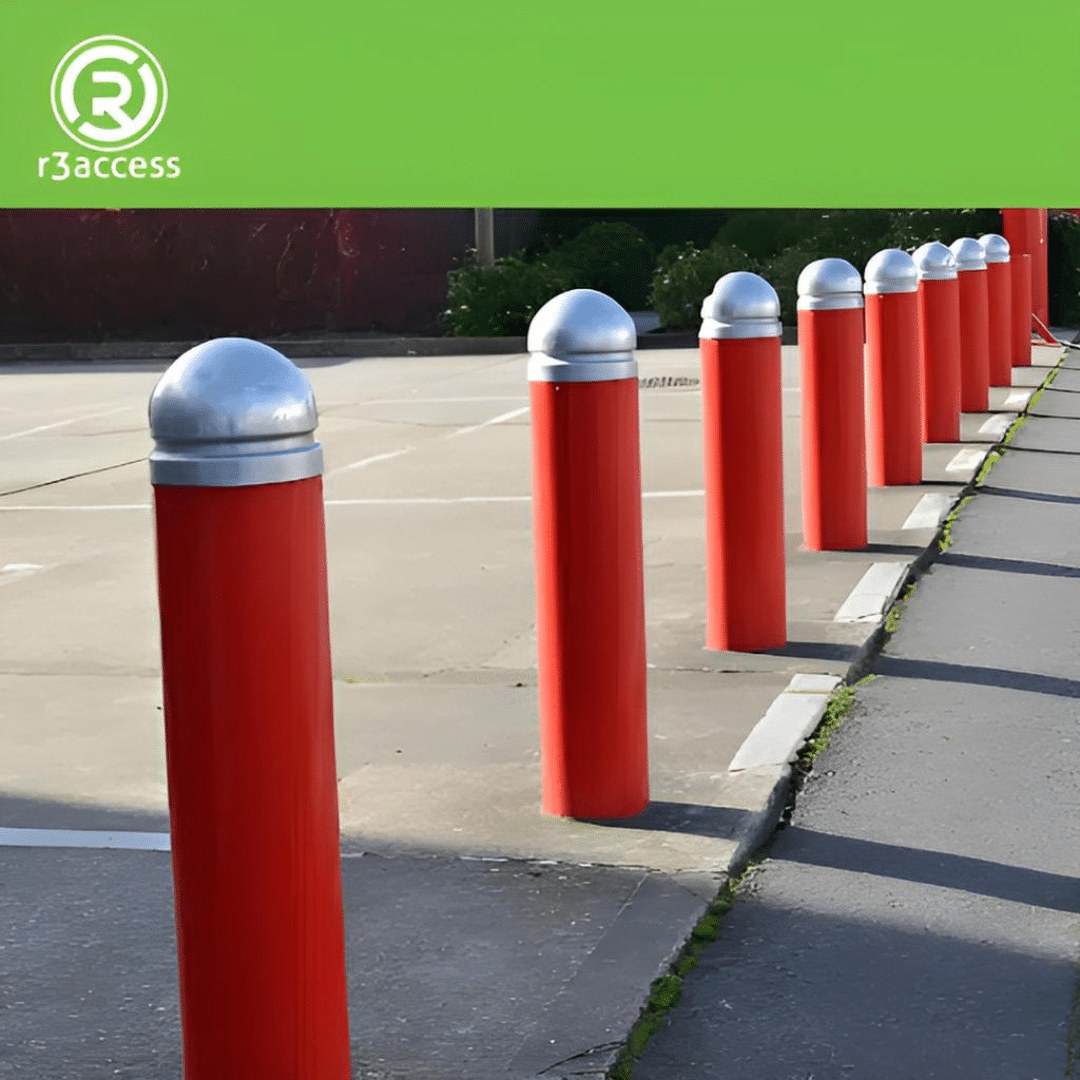
Bollards don’t look like much at first glance. Just short posts in the ground, right?
But crash-rated ones are completely different.
They’re engineered steel barriers that go deep into reinforced foundations. When a vehicle hits them, they don’t just bend or fall. They hold their ground.
That’s the whole point.
Crash-rated bollards are often used:
- At building entrances
- Around pedestrian zones
- In front of sensitive infrastructure
- To protect glass lobbies or storefronts
They’re especially useful where full gates or walls would look too heavy or block visibility. Bollards give protection without making the place feel like a fortress.
And that balance matters more than people realize.
Wedge Barrier System: Hidden but powerful defense
Another key player in perimeter security is the Wedge Barrier System.
This one is different. It’s not always visible.
A wedge barrier is usually installed in the ground. When activated, it rises quickly and forms a solid angled block that stops incoming vehicles.
Fast response. Strong resistance. Clean design.
You’ll often see these systems in:
- High-security facility entrances
- Government checkpoints
- Restricted industrial zones
- Critical infrastructure sites
What makes them useful is speed. In seconds, the barrier goes from flat ground to full defense mode.
So how do crash systems actually work together?
This is where things get interesting.
Most facilities don’t rely on just one system. They combine multiple layers of protection:
- Anti-ram barriers at entry points
- Crash-rated bollards along walkways
- Wedge systems for controlled vehicle access points
Each one plays a different role.
Think of it like this:
- Bollards = perimeter guidance and partial blocking
- Wedge barriers = active controlled entry stop
- Anti-ram systems = full force vehicle mitigation
Together, they create a layered defense setup that doesn’t leave weak spots and weak spots are what attackers usually look for first.
Why crash-rated bollards are more important than they look
People sometimes underestimate bollards because they’re small.
But in real-world security planning, they’re actually one of the most strategic tools available.
Here’s why:
- They control vehicle flow: Bollards naturally guide vehicles away from pedestrian areas without needing constant supervision.
- They protect high-foot-traffic zones: Outside entrances, lobbies, and walkways are vulnerable. Bollards act like silent guards.
- They don’t block visibility: Unlike walls or fences, bollards maintain open sightlines while still protecting space.
- They work even when systems fail: Even if electronic systems are down, physical bollards still do their job.
Simple but effective.
Where wedge barriers fit into modern security planning
A lot of facilities today prefer flexible access control instead of permanent blocking structures. That’s where systems like the wedge barrier become useful. They allow controlled access but can switch to full protection instantly if needed. In high-security environments, that adaptability is key.
Especially in places where:
- Vehicles need a scheduled entry
- Emergency lockdowns may happen
- Security levels change throughout the day
A wedge system gives you options without compromising safety. And that flexibility is what modern infrastructure demands.
Internal integration: vehicle wedge barrier systems
Many modern facilities also combine multiple technologies, including internal solutions like a vehicle wedge barrier system setup. This kind of integration helps create smoother traffic control while still maintaining crash-level protection at critical points. It’s not just about stopping threats anymore. It’s about managing movement intelligently while staying secure.
Real-world use: where these systems actually matter
You don’t need to imagine a worst-case scenario. These systems are already used in everyday critical locations.
For example:
- Airports use them to separate public zones from restricted runways
- Stadiums use them during events to control vehicle entry
- Data centers use them to protect infrastructure from physical threats
- Government buildings rely on them for controlled access points
In all these places, the goal is the same: reduce risk without slowing everything down unnecessarily.
The bigger picture of perimeter security
Modern security isn’t just about stopping someone after they’ve entered.
It’s about making sure they never get the chance to enter in the first place.
That’s why layered systems combining anti-ram barrier setups, crash-rated bollards, and wedge barrier systems are becoming the standard in high-risk planning.
Each system fills a gap that the other one might miss.
And together, they create something much stronger than a single solution ever could.
Final thoughts
Perimeter security has changed a lot over the years. It’s no longer just fences and gates. Now it’s engineered systems designed to deal with real-world vehicle threats.
Whether it’s an Anti-ram barrier, a crash-rated bollard, or a Wedge Barrier System, the goal stays the same: protect people and property without slowing operations down too much.
And that balance is exactly what modern facilities need.
For organizations planning to upgrade or design secure access points, exploring integrated crash-rated solutions is usually the first step toward a safer layout.
To learn more or explore available solutions, visit R3 Access.
FAQs
1. What is an anti-ram barrier used for?
An anti-ram barrier is used to stop or block vehicles from entering restricted or high-security areas. It is designed to absorb or resist impact from forced vehicle entry attempts. These systems are commonly installed at sensitive facilities like airports, government buildings, and industrial sites.
2. How do crash-rated bollards improve security?
Crash-rated bollards are made to give real physical protection when hit by a vehicle, but still not block pedestrian access. They are placed in kind of strategic spots around the entrances or along walkways, so it helps to stop unauthorised vehicle access. Even if they look a bit basic at first, they are re-engineered to push back against impact forces.
3. What does a wedge barrier system do?
The wedge barrier system is a ground-based security system that stands up to block incoming vehicles. Often used in areas of high security where a quick response is needed. When dormant, it is at the same level as the surrounding ground for ease of traffic flow.
4. What are these crash systems generally called?
These typically are installed in high-security infrastructure locations, such as airports, military bases, government facilities, stadiums, data centers, etc. These systems can be used at any site that needs protection against vehicle-borne attacks.
5. Can several crash systems be combined?
Yes, most modern facilities employ a combination of systems such as anti-ram barriers, crash-rated bollards and wedge barrier systems. When combined, they provide multiple layers of protection and enhance security and traffic flow control.