

If you’ve ever been stuck behind a long line of cars at an entry gate, you already know the problem.Traffic builds up fast, people get impatient, and guards get overwhelmed. Security starts slipping when things get chaotic.That’s exactly where barrier gate operators come into the picture.
They’re not just those arms that go up and down. When used properly, they control traffic, improve security, and keep everything moving without turning your entrance into a bottleneck.Let’s break it down in a real way.
What Are Barrier Gate Operators, Really?
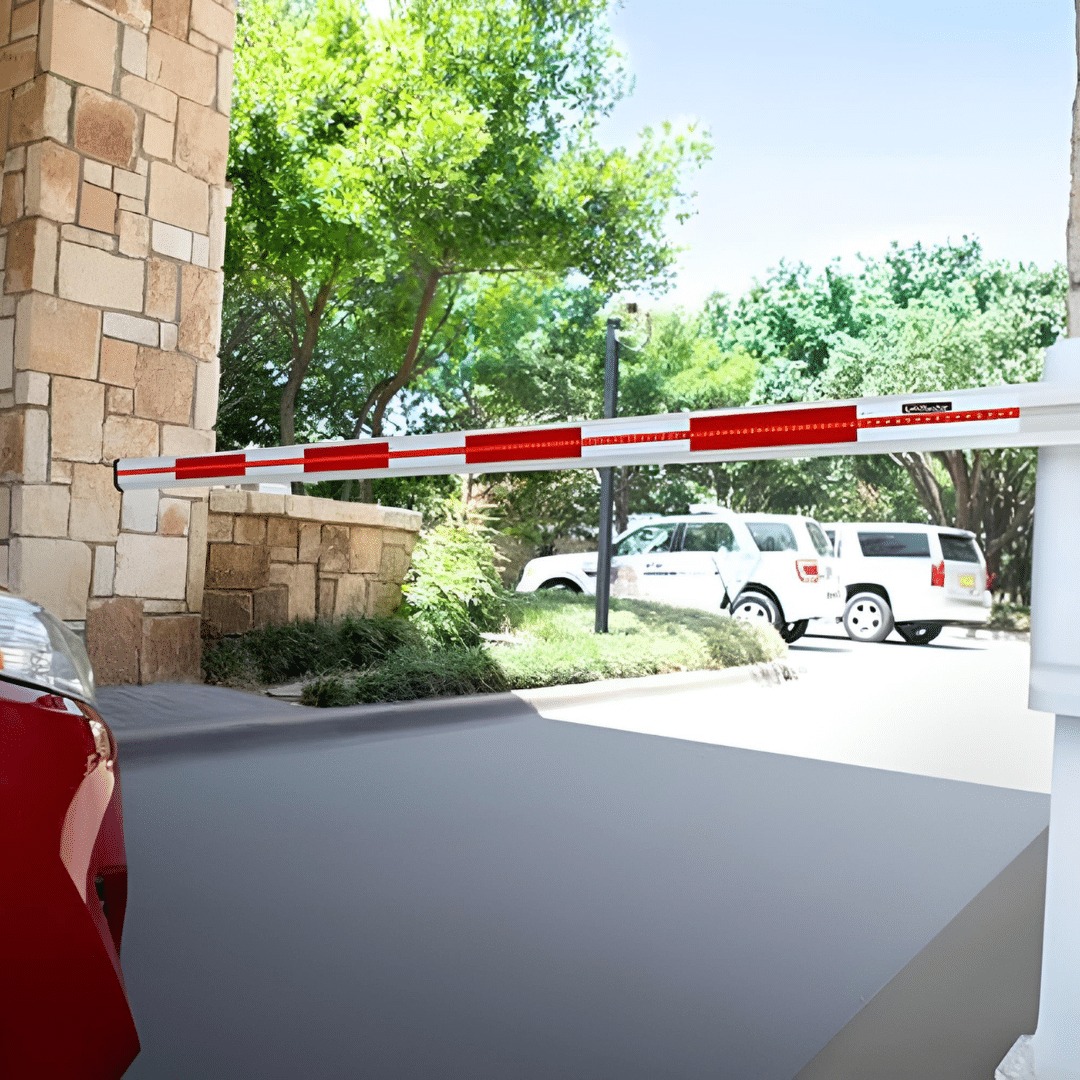
At the basic level, barrier gate operators are motorized systems that control vehicle entry and exit.
You’ve seen them:
- Parking lots
- Industrial facilities
- Warehouses
- Airports
- Toll booths
That long arm? It lifts when access is granted and blocks when it’s not.Simple idea. But the impact? Pretty big.Modern systems aren’t just manual buttons anymore. They connect with sensors, access control systems, RFID, license plate recognition… all that good stuff.And that’s where things start getting interesting.
Why Busy Areas Need Better Access Control
In low-traffic places, manual gates might still work.
But in busy environments? Not even close.
Think about:
- Logistics hubs with trucks moving all day
- Corporate campuses during peak hours
- Industrial yards with constant vehicle entry
- Event venues or parking structures
If every vehicle has to stop, verify, and wait… traffic piles up in minutes.That’s where automatic barrier arm gates step in and fix the flow.They reduce stopping time and sometimes eliminate it.And that alone changes everything.
How Barrier Gate Operators Improve Traffic Flow
The biggest benefit isn’t security. It’s speed.
Barrier systems allow:
- Faster entry and exit
- Controlled single-lane movement
- Reduced congestion
- Less human dependency
Instead of stopping each vehicle manually, the system does the work.With the right setup, a vehicle approaches, gets verified, and the gate opens.
No unnecessary pause.
In high-volume areas, even saving 3–5 seconds per vehicle adds up fast. Over hundreds of entries daily, that’s a massive difference.
Controlled Access Without Slowing Things Down
Here’s the tricky part.
You want security. But you don’t want delays. Most older systems force you to choose one.
Barrier gate operators solve that balance.
They work with:
- Access cards
- Keypads
- RFID systems
- License plate recognition
- Remote controls
So instead of stopping and checking manually, access is verified instantly.
The gate only opens when it should.
Where Automatic Barrier Arm Gates Make the Most Impact
Some places just can’t afford slow entry points.
- Industrial Facilities: Constant movement. Trucks in, trucks out. Delays = lost time and money.
- Commercial Parking Areas: Peak-hour traffic gets messy fast without proper control.
- Airports & Transport Hubs: High volume, high security. No room for mistakes.
- Gated Communities: Residents want smooth access, not daily frustration.
- Government & High-Security Sites: Controlled access is non-negotiable.
In all these cases, automatic barrier arm gates act as the first line of control.
Safety Features That Actually Matter
A lot of people think gates are just about opening and closing.But safety? That’s built in too.
Modern barrier gate operators include the following:
- Auto-reverse if something blocks the arm
- Loop detectors to sense vehicles
- Emergency manual release
- LED indicators and signal lights
- Heavy-duty arms for durability
Because the last thing anyone wants is a gate damaging a vehicle or worse.
Not Just Gates — Part of a Bigger System
Here’s something most people miss.Barrier gate operators don’t work alone.They’re part of a larger access control setup.
For example:
- A camera verifies the vehicle
- The system checks permissions
- The signal is sent
- The gate opens
It’s all connected.
And if you’re dealing with high-traffic operations, combining systems is where the real efficiency comes in.
Why Industrial Gate Openers Still Matter
Now, not every setup uses barrier arms.In some cases, sliding or swinging gates are used instead.That’s where industrial gate openers come into play.If you’re not sure how to choose the right system, our guide helps you understand.
Different environments need different solutions.
Barrier arms are great for speed and traffic control.
Full gates are better for perimeter security.
Sometimes, both are used together.
High-Security Needs: Going Beyond Standard Gates
In some locations, normal gates aren’t enough.You’re not just controlling access, you’re preventing threats.That’s where crash-rated systems come in.
These include:
- Wedge barriers
- Bollards
- Anti-ram gates
- Strong-arm barriers
They’re designed to stop vehicles, not just guide them.
Systems from manufacturers like HySecurity are often used in these setups because of their high-performance barrier technology and reliability in critical environments.
These aren’t your everyday gates. They’re built for serious protection.
The Role of Strong, Reliable Hardware
Even the smartest system fails if the hardware is weak.
Barrier gate operators need to handle the following:
- Constant usage
- Weather exposure
- Impact and wear
- High-speed operation
That’s why quality matters.
Manufacturers like HySecurity are known for building heavy-duty, high-cycle operators that can handle demanding environments without breaking down every few months.
Because of downtime at an entry point? It creates chaos instantly.
Planning for Scalability (Because Traffic Always Grows)
Most businesses underestimate one thing: growth.
If your access system can’t scale, you’ll be replacing it sooner than expected.
Barrier gate operators make expansion easier:
- Add more lanes
- Integrate new access systems
- Expand database permissions
- Upgrade without replacing everything
It’s a long-term solution, not a temporary fix.
Common Mistakes People Make
Many projects fail because of simple mistakes.
Like:
- Choosing the wrong type of gate
- Ignoring traffic volume
- Not checking compatibility with existing systems
- Outdated blueprints (this happens more than you’d think)
- Focusing only on price, not performance
That’s why planning matters.
Getting the right guidance early saves a lot of headaches later.
Why R3 Access Comes Into the Picture
When it comes to selecting the right system, most people don’t need more options, they need clarity.
That’s where R3 Access helps.
We work with:
- Contractors
- Engineers
- Architects
- Installers
Helping match the right products to the site’s actual requirements.
Because on paper, everything looks fine.
But real-world setups? That’s where compatibility issues show up.
Final Thoughts
Managing vehicle access in busy areas isn’t just about putting up a gate.It’s about flow, control, reliability, and yeah, avoiding chaos at your entry point.Barrier Gate Operators bring all of that together. They keep things moving, improve security, and reduce dependency on manual processes.And when combined with the right systems, they make access control almost effortless.
Looking to upgrade your access control system or planning a new setup?
Explore reliable, high-performance solutions at R3 Access.
FAQs
1. How do Barrier Gate Operators help improve access control at R3 Access projects?
Barrier Gate Operators play a key role in managing vehicle flow by allowing controlled entry and exit without delays. At R3 Access, these systems are selected based on traffic volume and site needs, ensuring smooth movement while maintaining proper security checks through integrated access control systems.
2. Are Automatic barrier Arm gates suitable for high-traffic industrial areas?
Yes, Automatic barrier Arm gates are specifically designed for high-cycle environments. They can handle frequent opening and closing throughout the day without performance issues. This makes them ideal for industrial facilities, logistics hubs, and commercial properties with constant vehicle movement.
3. What is the difference between barrier gates and industrial gate systems?
Barrier gates are mainly used for controlling traffic flow quickly, while industrial gate systems provide full perimeter security. Both serve different purposes, and in many cases, they are used together to balance speed and security in one setup.
4. Can Barrier Gate Operators integrate with modern access systems?
Yes, most Barrier Gate Operators can easily integrate with access technologies like RFID, keypads, and license plate recognition systems. This allows automated entry without manual intervention, making the entire process faster and more efficient.
5. How do I choose the right barrier system for my facility with R3 Access?
The right system depends on traffic volume, security level, and site layout. R3 Access helps evaluate these factors and recommends compatible solutions that work with your infrastructure, avoiding common issues like mismatched equipment or outdated system planning.