
Managing who comes in and out of a property isn’t just about locking doors anymore. Businesses today deal with employees, contractors, delivery trucks, and random visitors showing up at different times. If you don’t have a proper system, things get messy fast: long lines at the gate, lost badges, frustrated tenants, and security gaps that cost money. That’s where Commercial Gate Access Control Systems step in. They give companies a way to keep traffic moving while still knowing exactly who’s entering. It’s not about fancy tech for the sake of it. It’s about practical control, better records, and smoother daily operations.
Why Businesses Need Smarter Gate Access
Traditional keys and guards don’t cut it anymore. Tenants expect fast entry. Visitors don’t want to wait around. And property managers can’t afford mistakes. A modern access control setup solves these problems by:
- Improving perimeter security — stopping unauthorized entry before it even happens.
- Managing visitor flow — checking guests without slowing down tenants.
- Tracking access events — keeping searchable records of every entry.
- Reducing manual work — less reliance on guards and paper logs.
Think of it as moving from chaos to control. Instead of guessing who’s inside, managers know exactly what’s happening at the gate.
Tenant Management Made Simple
For tenants, convenience matters. Nobody wants to swipe a card three times or argue with a guard. With Commercial Gate Access Control Systems, tenants get:
- Assigned credentials (cards, fobs, mobile apps).
- Fast lane sorting for employees vs. visitors.
- Cloud‑based updates when someone’s access changes.
This means property managers can add or revoke tenant access instantly. No waiting for new badges. No confusion at the gate. Tenants feel secure, but they also feel respected; their time isn’t wasted.
Visitor Management Without Chaos
Visitors are trickier. They don’t have permanent credentials, but they still need smooth entry. A good system handles this by:
- Temporary access codes valid for specific times.
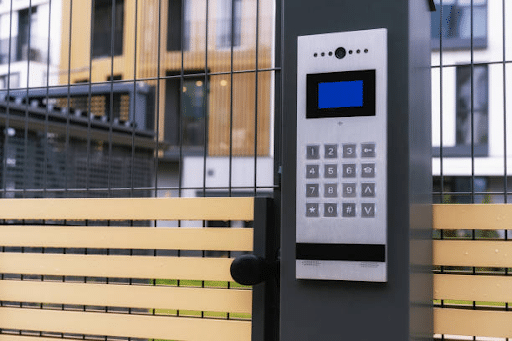
- Integration with Access Control Card Readers for quick guest passes.
- Linking visitor check‑ins with cameras and intercoms.
Instead of piling up at the gate, visitors move through controlled lanes while still being tracked. Managers don’t have to chase down paper logs later; the system already recorded everything.
Commercial Security Features That Matter
A gate system isn’t just about opening and closing. It’s about the commercial security features that make management easier:
- Vehicle recognition for faster entry.
- Cloud dashboards for remote monitoring.
- Integration with alarms and cameras.
- Scalable setups for multi‑building campuses.
These features keep operations tight while giving managers flexibility. Whether it’s a single office park or a sprawling warehouse campus, the system adapts.
Real‑World Scenarios
Different businesses use gate access in different ways:
- Corporate offices: Employees swipe in, visitors get temporary codes.
- Retail centers: Delivery trucks scheduled for certain hours.
- Warehouses: Heavy freight lanes managed without bottlenecks.
- Business campuses: Multiple buildings tied into one system.
Every property type benefits differently, but the core idea stays the same: control who enters, when, and how.
Cloud‑Based Control for Modern Workflows
One of the biggest shifts in recent years is cloud management. Instead of relying on local servers, managers can:
- Grant or revoke access remotely.
- Monitor logs in real time.
- Manage multiple sites from one dashboard.
- Receive alerts instantly when something unusual happens.
This makes life easier for companies with multiple properties. A single login gives them visibility across everything.
Integration With Other Security Systems
Gate access works best when it’s part of a bigger ecosystem. Businesses often connect it with:
- Security cameras for visual confirmation.
- Alarm systems for emergency lockdowns.
- Visitor management platforms for temporary passes.
- Vehicle recognition systems for faster traffic flow.
When all these tools talk to each other, managers don’t waste time juggling separate systems.
Why R3 Access Matters
Picking a gate access system isn’t just about buying hardware. It’s about making sure the whole setup actually works in the real world. That’s where R3 Access comes in. They don’t just throw products at you; they help businesses figure out what fits their daily operations.
- System planning: Before anything gets installed, R3 Access helps map out traffic flow, tenant needs, and visitor management. This avoids costly mistakes later.
- Hardware compatibility: Not every gate operator works with every card reader or cloud platform. R3 Access knows which combinations actually sync.
- Scalable solutions: Businesses grow. More employees, more visitors, more vehicles. R3 Access designs systems that expand without ripping out the old setup.
- Expert guidance: Facility managers, contractors, and property owners rely on their team to cut through technical jargon and explain things in plain language.
This matters because gate access isn’t something you can afford to get wrong. A bad setup means frustrated tenants, angry visitors, and security gaps that cost money. A good setup means smooth traffic, clear records, and peace of mind.
Explore solutions here: R3 Access
FAQs
1. What are Commercial Gate Access Control Systems?
They’re sort of integrated setups that handle entry for vehicles and people, basically. With gate operators alongside card readers, cameras, and cloud software, they keep the flow of traffic going while at the same time they stop access that is not approved. The whole arrangement tries to stay convenient for tenants, but still keeps really tight oversight for visitors, so property management turns out smoother, and also safer too.
2. How do these systems help tenant management?
Tenants get permanent credentials like cards, fobs, or mobile passes. Managers can add or revoke access instantly without waiting for badges. This keeps daily entry fast, avoids confusion at gates, and ensures tenants always have reliable, secure access without unnecessary delays or manual intervention.
3. How do they improve visitor management?
Visitors get temporary codes or passes tied to certain times, sort of like clock-based access. The system then watches their entry, connects it with cameras, and makes sure they only make it to approved areas. In practice, it helps dodge bottlenecks, keeps the logs more tidy, and stops guests from wandering into restricted zones without the right permission, or at least without proper oversight.
4. Can these setups integrate with card readers and other tech?
Yes. They can sync with card readers, mobile credentials, intercom units, and even vehicle recognition systems. When it all works together, entry feels smoother, the usual hardware stress goes down, and businesses can tweak or scale their access setup without fully ripping out what’s already there or restarting from zero every single time.
5. Why should businesses choose R3 Access?
Because R3 Access helps companies plan the right system, match hardware with software, and avoid costly mistakes. Their expertise ensures smooth tenant and visitor management from day one, giving businesses confidence that their gate access setup will actually work in real‑world conditions.