
Security used to be simple. Lock the door. Keep a guard. Hand out keycards. Done.
But let’s be honest… that setup doesn’t really work anymore. Too many moving parts. Too many people are coming and going. Too many chances for things to slip through.
That’s where Cloud Access Control Systems start to make a real difference.
Instead of being stuck with on-site servers or manual systems, everything shifts online. You can control doors, gates, permissions… all from a phone or laptop. Doesn’t matter if you’re sitting in the office or halfway across the country.
That kind of flexibility matters more than ever now.
If you want a deeper look at how these systems actually work, you can check out R3 Access.
What Are Cloud Access Control Systems (And Why Businesses Are Switching Fast)
At the core, cloud access control systems are exactly what they sound like.
Access control… but managed through the cloud.
No bulky servers sitting in a closet. No complicated wiring setups across the building. No need to run back to the control room every time someone needs access.
Everything is handled through an online platform.
You log in. You see who has access. You make changes instantly.
Simple.
Most modern commercial access control systems are already moving this way because businesses want control without friction. They don’t want to rely on physical infrastructure that’s hard to maintain.
They want flexibility. And speed.
Remote Access Means You’re Always in Control
This is probably the biggest shift.
With older systems, if something needed to be changed, someone had to be on-site. That’s just how it worked.
Now? Not really.
With cloud-based systems, you can:
- Unlock or lock doors remotely
- Grant access to employees instantly
- Revoke permissions the moment someone leaves
- Monitor activity in real time
Let’s say an employee forgets their keycard. Before, that meant waiting and calling security. Maybe even leaving a door open longer than it should be.
Now, you just tap your phone.
The door opens.
Problem solved.
That’s the kind of control businesses didn’t have before.
Real-Time Visibility Changes Everything
Here’s something people don’t think about enough… visibility.
Knowing what’s happening at your property, at any moment, matters.
With cloud systems, you’re not guessing anymore.
You can see:
- Who entered the building
- What time did they come in
- Which doors did they use
- Failed access attempts
And all of that is logged automatically.
No manual tracking. No messy spreadsheets. No “I think this happened around 3 PM” type guessing.
If something goes wrong, you have data. Clear, searchable data.
That alone makes these systems worth it for a ton of businesses.
Managing Multiple Locations Without Losing Your Mind
If you’re running more than one location, things get messy fast.
Different doors. Different users. Different access levels.
Trying to manage that manually? It’s a headache.
With Cloud Access Control Systems, everything sits under one dashboard.
You don’t need separate systems for each site.
You don’t need to log into multiple platforms.
You manage everything from one place.
So whether it’s:
- A corporate office
- A warehouse
- A gated facility
- A multi-unit residential property
…it all connects.
And you stay in control without bouncing between systems all day.
Why Businesses Are Moving Away From Traditional Systems
It’s not just about convenience. There are real operational reasons behind the shift.
Traditional systems come with problems:
- Expensive hardware
- Maintenance issues
- Limited scalability
- On-site dependency
Cloud-based systems fix a lot of that.
They’re easier to update. Easier to expand. Easier to manage.
And in many cases, they cost less over time because you’re not constantly dealing with hardware upgrades or repairs.
That’s why more companies are upgrading their commercial access control systems instead of sticking with outdated setups.
Integration With Modern Security Tools
Another big advantage? Integration.
Cloud systems don’t work alone.
They connect with other tools like:
- Video surveillance systems
- Intercom systems
- Gate operators
- Mobile apps
So instead of separate systems doing separate things, everything starts working together.
For example:
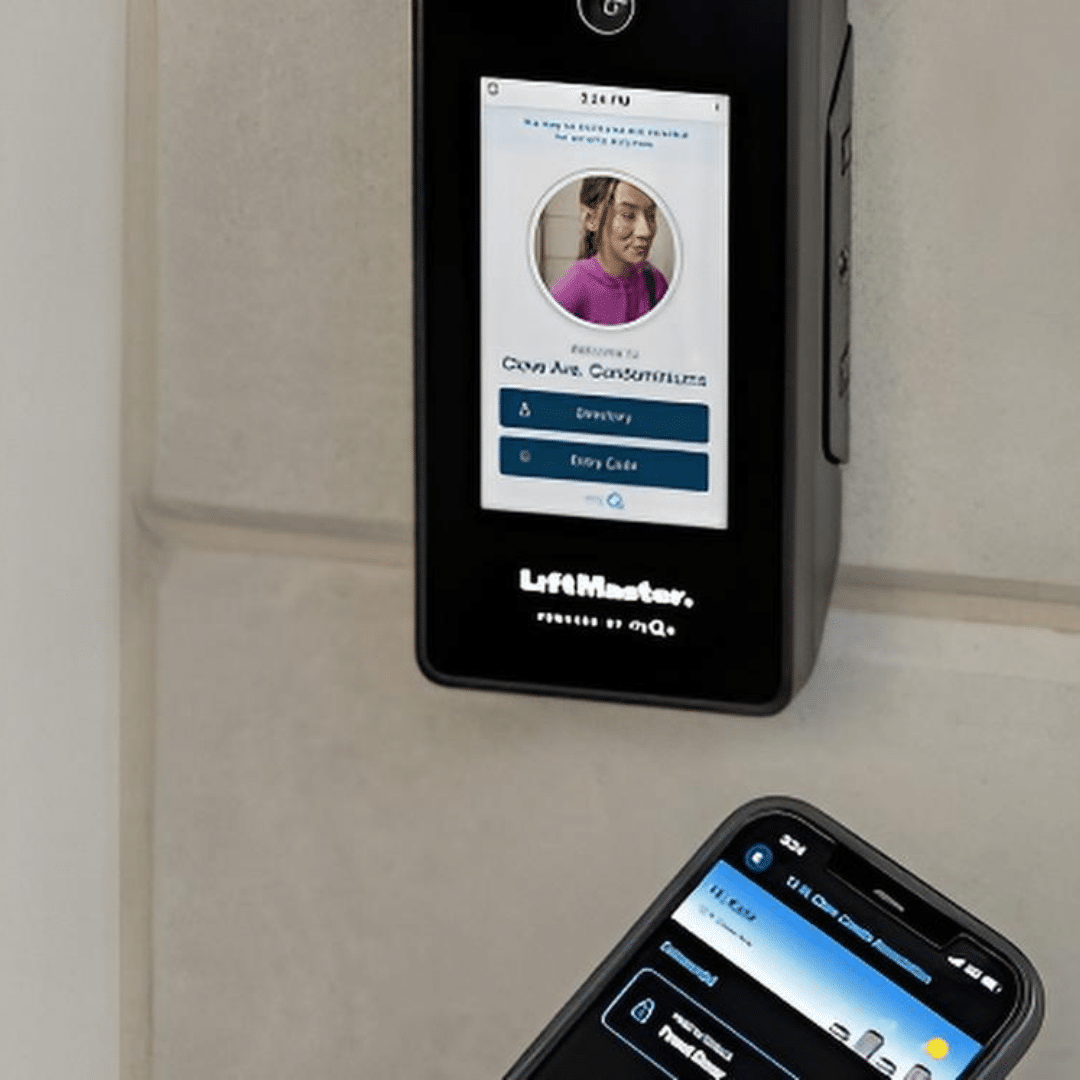
Someone requests entry → you see them on video → you approve access → door unlocks.
All from one interface.
No switching between screens. No delays.
The Role of Reliable Manufacturers
Let’s be clear about one thing.
The system is only as good as the hardware behind it.
Cloud software is great, but it still depends on physical components like readers, controllers, and gate systems.
That’s why working with proven manufacturers matters.
Brands like LiftMaster, DoorKing, FAAC, and Cellgate have been shaping this industry for years.
They’ve already solved a lot of the problems businesses face:
- Reliability in high-traffic environments
- Integration with cloud platforms
- Long-term durability
- Security compliance
So when these systems are built using trusted technology, everything just works better.
And that’s what businesses really want. Systems that don’t break under pressure.
Internal Systems Still Matter
Even with cloud tech, your foundation matters.
If your system setup isn’t right from the start, you’ll run into issues later. Compatibility problems, installation challenges, and costly changes.
That’s why it’s worth taking a step back and understanding what really goes into a quality access control system before making any decisions.
Because not every system fits every building.
And honestly, getting it right the first time saves a lot of frustration.
Scalability Without Starting Over
Businesses grow. That’s the goal.
But growth can break older systems.
You add more employees, more doors, and more locations. Then, suddenly, your setup can’t keep up.
Cloud-based systems don’t have that problem.
You can:
- Add new users instantly
- Expand to new locations
- Integrate additional hardware
- Adjust access levels anytime
No full system replacement. No starting from scratch.
It scales with you.
Remote Security Isn’t a Luxury Anymore
A few years ago, remote access felt like a bonus feature.
Now it’s expected.
Businesses don’t want to deal with the chore of being physically present to manage security. It slows things down and can create gaps that increase risk.
With Cloud Access Control Systems, that dependency disappears.
You stay connected to your property at all times.
And more importantly… You stay in control.
Final Thoughts
Security isn’t just about keeping people out anymore.
It’s about managing access intelligently. Quickly. From anywhere.
That’s exactly what cloud-based systems are built for.
They simplify operations. Improve visibility. And give businesses control that older systems just can’t match.
If you’re still relying on traditional setups, it might be time to rethink things.
Learn more about smarter access solutions at R3 Access.
FAQs
How do Cloud Access Control Systems improve security for businesses like R3 Access Solutions?
Cloud Access Control Systems provided by R3 Access enable businesses to keep track of and regulate entry points remotely, thereby minimizing delays and human error. Managers will have the ability to grant or revoke access instantly, monitor logs of activity, and react to security events in real time, which will allow the enhancing of the overall security and make it stronger and more trustworthy.
Do commercial access control systems become hard to control remotely?
Not really. The majority of the new commercial access control systems are user-friendly. Once configured, all can be managed via a centralized dashboard that can be accessed via phone or computer. All permissions, activity monitoring, and updates can be done without requiring on-site support, even by non-technical users.
Are cloud-based systems compatible with various business locations?
Yes, and that is their greatest strength, in fact. Companies that have more than one location have the ability to operate all the locations through one platform. Access policies and surveillance remain the same in all locations without the need to have different systems, whether it is offices, warehouses, or gated properties.
What occurs in the case of loss of internet connectivity?
The majority of systems are built in such a way that there are backup mechanisms. Access points and doors may still operate using stored credentials, even in case the connection is lost temporarily. When the connections are reestablished, all the logs of activities are automatically synchronized back to the cloud; hence, no data is lost.
What are the manufacturers that are commonly used in R3 Access systems?
R3 Access collaborates with reputable access control and gate automation technology manufacturers, such as LiftMaster, DoorKey, FAAC, and Cellgate. These brands provide resilient hardware and complete interoperability with cloud services, so businesses can expect a long-term operation with a high level of performance and stable security services.