

Reliable Automated Gate Operators – R3 Access
Wedge Barrier Systems for Secure Perimeter Protection
Vehicle threats are a real concern today. Commercial facilities, government sites, airports, industrial properties, and secured compounds all need stronger perimeter protection than a basic gate arm or entry system can provide. That’s where a Wedge Barrier System becomes important. These barriers are specifically designed to stop unauthorized vehicle access while still allowing controlled entry for approved traffic. Unlike standard gates, wedge barriers are engineered for higher-impact security situations where perimeter protection matters a lot more. And honestly, some facilities simply can’t risk weak entry points anymore.
At R3 Access, we help support projects requiring dependable wedge barrier systems designed for secure vehicle access management and perimeter control. From smaller commercial properties to larger secured facilities, choosing the right crash-rated barrier system can make a major difference in overall site protection.
What Is a Wedge Barrier System?
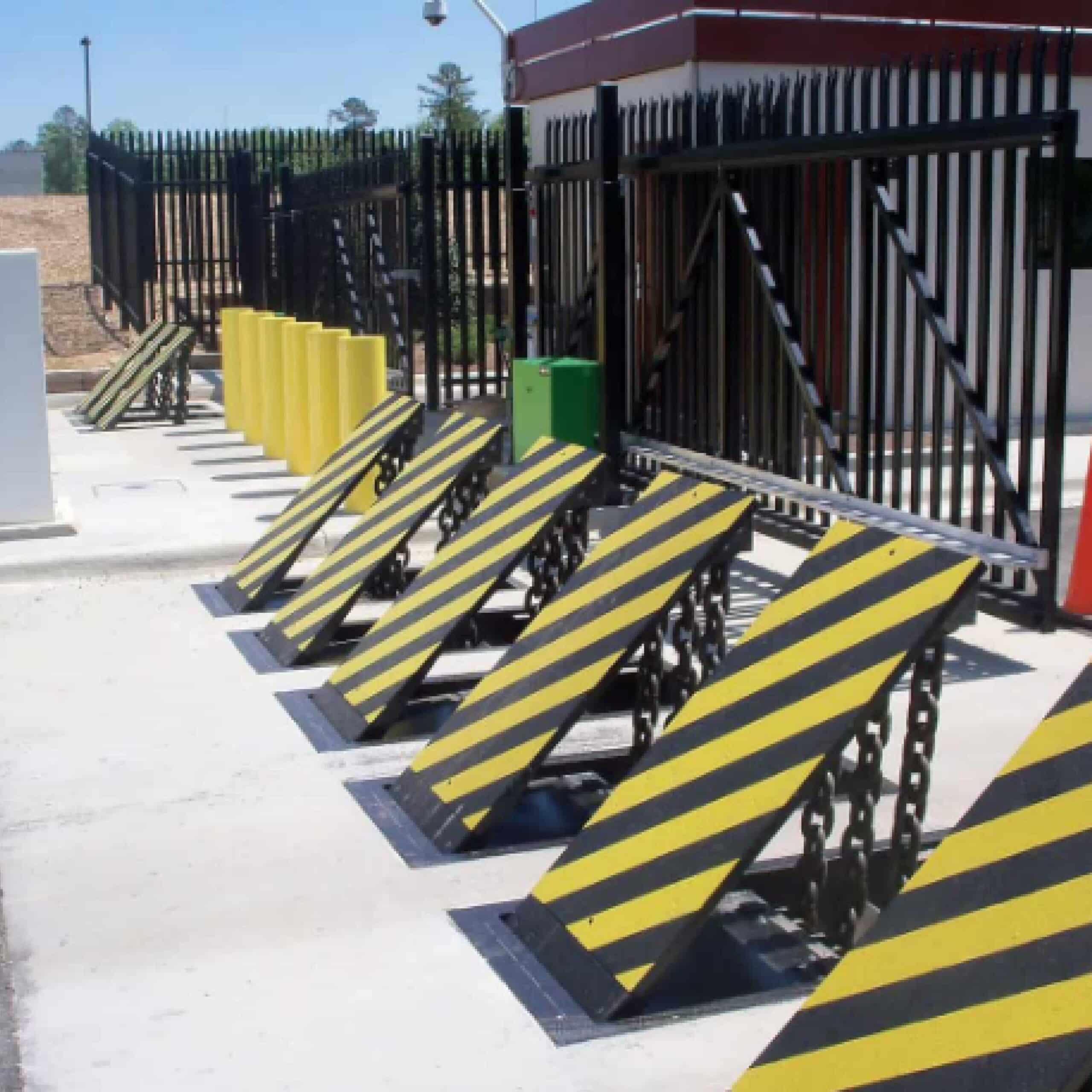
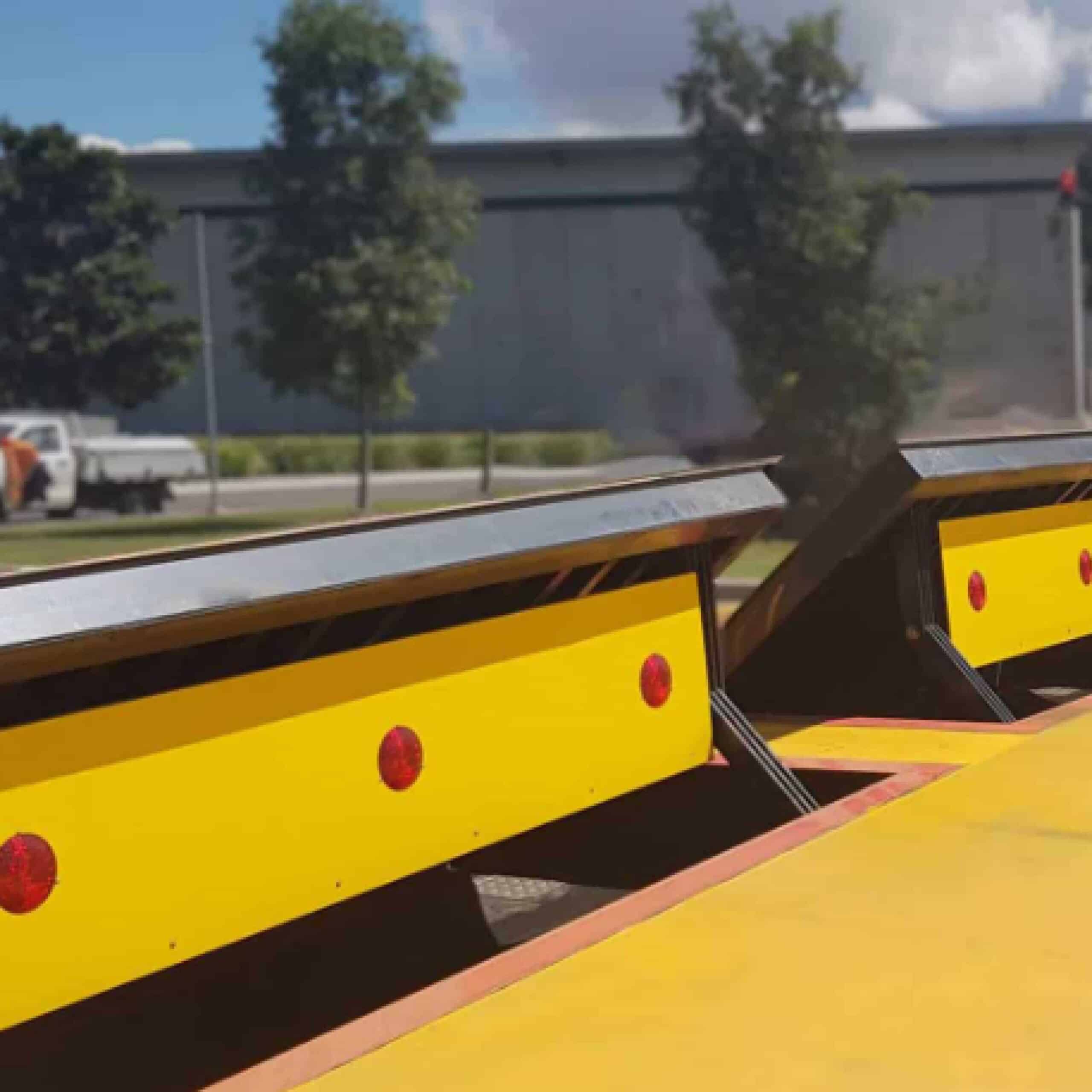
A wedge barrier is a heavy-duty vehicle barrier that rises from the ground when activated. Once raised, the barrier creates a strong physical obstacle designed to stop or restrict vehicle movement through secured entry points. The name comes from the wedge-like shape the barrier forms while deployed.
These systems are commonly used where stronger vehicle control is required, especially at locations managing:
- Sensitive infrastructure
- Government security
- Military facilities
- Utility properties
- Airports
- Commercial compounds
- Industrial facilities
Unlike traditional automated gates, wedge barriers are designed with vehicle stopping power as a primary focus.
Some systems are even tested and rated under DoD and ASTM crash-rating standards for higher-security applications.
Why Wedge Barriers Are Used for High-Security Access Control
Not every property needs crash-rated protection. But for facilities handling sensitive operations or higher security risks, standard access systems may not provide enough perimeter defense
A properly designed Wedge Barrier System helps:
- Prevent unauthorized vehicle entry
- Protect secured perimeters
- Improve site security management
- Control traffic flow
- Restrict forced vehicle access
Government buildings, data centers, utility stations, transportation hubs, and secured commercial facilities often rely on wedge barriers because they provide both access control and physical vehicle resistance. That physical stopping capability is the biggest difference. Because honestly, if perimeter security only depends on a keypad and a lightweight gate arm, it may not hold up when it actually matters.
Different Types of Wedge Barrier Systems
Not all wedge barriers are built the same. Different facilities may require different deployment speeds, foundation depths, traffic capacities, and security ratings depending on the site conditions and operational needs.
R3 Access supports multiple types of wedge barrier solutions including:
- Vehicle Theft Wedge Barriers: Designed to help prevent unauthorized vehicle access and improve perimeter control for secured properties.
- Shallow Foundation Wedge Barriers: Useful for properties where deep excavation is difficult because of underground utilities or structural limitations.
- Electric Wedge Barriers: Operate using electric systems and are commonly selected for properties requiring reliable daily operation with simplified maintenance requirements.
- Hydraulic Wedge Barriers: Often used for higher-security environments requiring stronger operational performance and faster deployment speeds.
- Crash-Rated Wedge Barriers: Engineered and tested to meet specific crash certification standards for higher-risk facilities and government applications.
- Surface Mount Wedge Barriers: Designed for locations where traditional below-grade installation may not be practical.
Each property has different operational and security requirements, which is why selecting the proper barrier type matters early in the planning process.
Wedge Barrier Systems for Government & Critical Infrastructure
Government and critical infrastructure facilities often require stronger perimeter protection due to the nature of their operations. These environments may include:
- Federal buildings
- Utility stations
- Energy infrastructure sites
- Military facilities
- Water treatment facilities
Many of these locations require barriers tested to DoD or ASTM crash standards, depending on the security level involved. R3 Access helps support engineers, contractors, technicians, and project managers working on these types of secured perimeter projects by assisting with compatible wedge barrier system solutions and access control coordination. As compatibility issues discovered late in the project usually create expensive delays.
Why Planning Matters for Wedge Barrier Projects
Barrier projects involve more than simply choosing a product. Things like:
- Foundation depth
- Vehicle types
- Power availability
- Traffic volume
- Emergency access
- Access control integration
All affect system performance and installation planning. More frequently than expected, outdated project specs or inaccurate blueprints create compatibility problems after systems are already ordered. At R3 Access, our team helps customers review system requirements early to help avoid unnecessary delays and operational issues later in the project. Sometimes, small planning mistakes become expensive problems very quickly.
Dependable Wedge Barrier Support From R3 Access
R3 Access supports customers looking for dependable perimeter security and vehicle access control solutions across commercial, industrial, and government applications.
We continue helping:
- Contractors
- Engineers
- Facility managers
- Security consultants
- Government projects
- Commercial property teams
- Infrastructure facilities
Our team remains available to assist with:
- Product guidance
- Compatibility support
- Access control coordination
- System planning assistance
- Manufacturer-specific information
Questions are always welcomed because perimeter security planning is rarely simple.
Secure Your Property With Reliable Wedge Barrier Systems
A properly planned Wedge Barrier System helps properties improve vehicle access control, strengthen perimeter security, and support safer entry management for sensitive environments. Whether the project involves commercial access control, government perimeter security, or critical infrastructure protection, dependable equipment and proper system planning matter from the beginning.
FAQs
A wedge barrier is a robust vehicle barrier that is able to be lifted from the ground to prevent access of unauthorised vehicles to secure property or facilities. These barriers are typically installed on high-security applications due to their ability to offer high physical stoppage when compared to normal gates or barrier arms. Several Wedge Barrier System solutions are also certified for crash resistance and installed on military facilities, government buildings, airports, utility facilities, and other areas where the accessibility of vehicles must be controlled.
Wedge barriers are controlled by either a hydraulic or electric system, which raise and lowers the barrier in response to the access control signal or security command. The wedge-shaped barrier is raised from the roadway to prevent vehicles from passing through the entry area when deployed. Access to the premises is possible with a card reader, keypad, intercom system or via guard control. Upon authorization, the barrier is lowered, allowing vehicles to pass through safely and efficiently.
Wedge barriers are often installed in areas where vehicles need to be controlled more intensely, and perimeter security is a critical concern. These can be government facilities, military sites, airports, utility stations, commercial compounds, industrial sites, transportation hubs and critical infrastructure environments. A Wedge Barrier System is frequently used in applications that require the utmost level of physical security protection and where traditional gate systems are not sufficiently secure to prevent unauthorized vehicle access.
Wedge barriers offer more robust perimeter protection, more convenient vehicle access control and increased site security than many traditional gate barriers. They are used to limit access to vehicles and to facilitate controlled traffic flow when vehicles are allowed access. Many wedge barriers are rated for high vehicle impact forces as well. Wedge barriers are one perimeter security solution that includes automatic access control features, making them a popular choice for properties with higher security requirements for access control.
Many wedge barriers are specifically engineered and tested to meet crash-rating standards used for government and high-security projects. Crash-rated Wedge Barrier System models may comply with DoD or ASTM testing standards depending on the level of protection required. These barriers are designed to stop or significantly slow unauthorized vehicles attempting forced entry into secured areas. Facilities handling sensitive operations often require crash-rated systems as part of their overall perimeter security strategy.
Electric wedge barriers use electric power to operate and are frequently chosen for sites that must be operated daily and maintained with ease. Hydraulic wedge barriers are moved by hydraulic pressure and are often preferred for higher security environments where performance or deployment speed is required. While both systems are viable options for automated vehicle access control, the best solution typically depends on the property’s traffic patterns, security needs, and operational requirements.
Yes, a lot of wireless access control setups can work together with cameras and video monitoring tools. So, property owners and managers are able to visually see a visitor first, before granting entry, and at the same time still retain video logs of what went on at that entry point. This kind of video link can also heighten security awareness, kind of like a extra sense, and it helps locations oversee gates, parking zones, doorways, and shared access areas more efficiently, not just in theory but in the day-to-day grind. Both commercial sites and residential communities often feel the benefit, because the extra visibility makes continuous monitoring feel easier.
Yes, there are many wedge barrier systems that will work in environments where vehicles move constantly and frequently. Commercial facilities, government sites, transportation centres and industrial properties will often need barriers that can be used over and over daily without problems. Effectively designed Wedge Barrier System products are designed to handle intense traffic situations while keeping perimeters secure and systems operating all day effectively.
Before selecting a wedge barrier system, properties should review things like traffic volume, security necessities, foundation conditions, drainage situation, emergency vehicle access, where power is coming from, and also access control integration needs, too. Different facilities need different deployment speeds, crash ratings, and barrier setups depending on what they do on a daily basis. Sometimes it’s mostly operational pressure, other times it’s the layout and the way movement happens. Proper planning early in the project helps reduce compatibility issues, installation delays, and unexpected system limitations later during deployment.
Yes, wedge barriers help strengthen perimeter security by creating a physical obstacle capable of controlling or stopping unauthorized vehicle access. Unlike lightweight gate systems, wedge barriers are specifically designed for stronger vehicle resistance and controlled entry management. When integrated with access control systems and surveillance technologies, a Wedge Barrier System becomes part of a larger layered security strategy for protecting sensitive commercial, industrial, and government facilities.
Government properties and key infrastructure spots usually need more robust vehicle security, mainly because so much sensitive work happens inside the perimeter. Military bases, utility stations, transport hubs, airports, and other federal facilities often lean on wedge barriers to help manage vehicle access and lower forced-entry hazards. A crash-rated wedge barrier setup delivers a stronger degree of perimeter protection compared to standard gate systems, so it becomes a key piece in a lot of higher-security site layouts.