


Airports, government buildings, military installations, utilities plants, and other locations where it’s critical to protect people, properties, and public spaces, only the most restrictive crash-rated security systems will do.
Airports, government buildings, military installations, utilities plants, and other locations where it’s critical to protect people, properties, and public spaces, only the most restrictive crash-rated security systems will do.
Airports, government buildings, military installations, utilities plants, and other locations where it’s critical to protect people, properties, and public spaces, only the most restrictive crash-rated security systems will do.

Airports, government buildings, military installations, utilities plants, and other locations where it’s critical to protect people, properties, and public spaces, only the most restrictive crash-rated security systems will do.
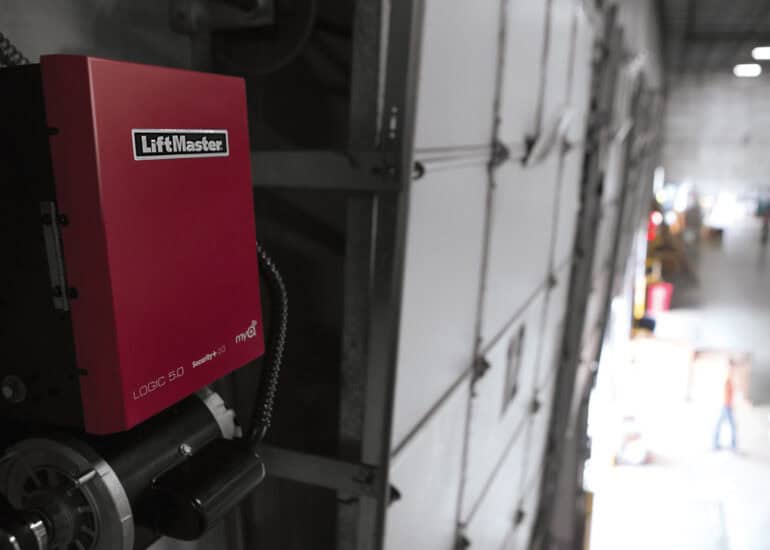
Airports, government buildings, military installations, utilities plants, and other locations where it’s critical to protect people, properties, and public spaces, only the most restrictive crash-rated security systems will do.
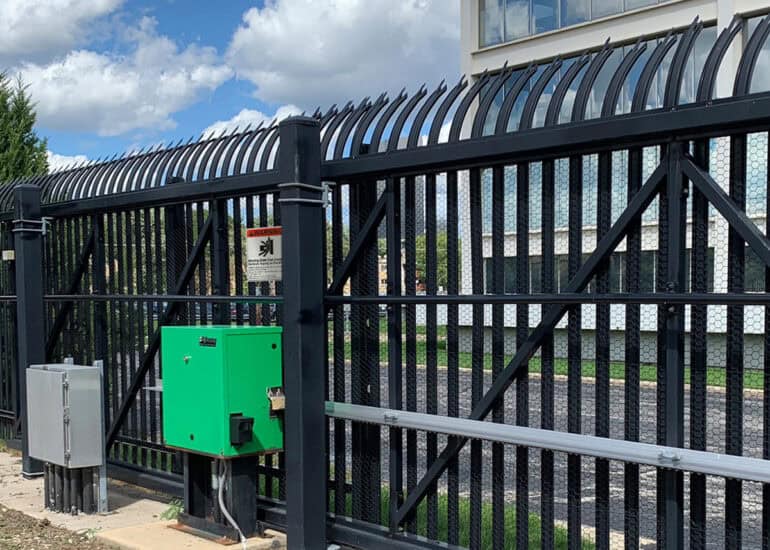
Whether you’re in the market for a swing or slide gate operators, R3 Access stocks top brands like LiftMaster and HySecurity. These time-tested gate operators provide reliable and durable solutions for your unique situations and needs.
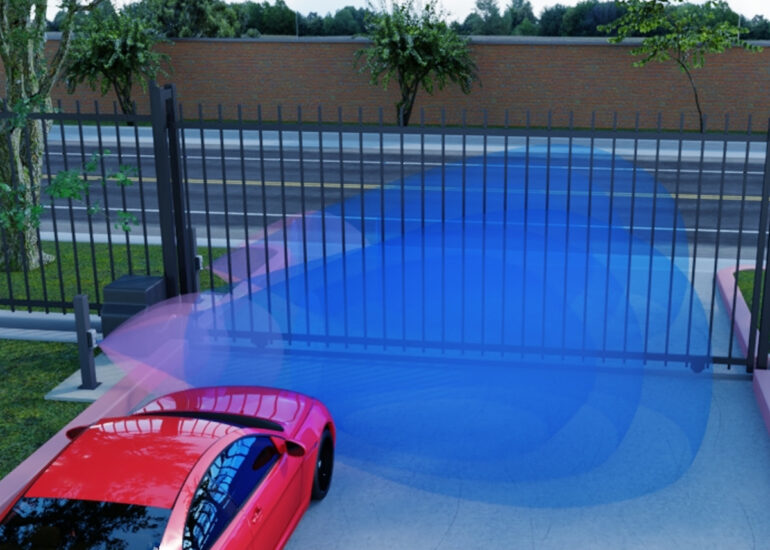
R3 Access carries various accessories that help to maintain safety and security in professional, commercial, industrial and government/military environments. All products ship directly from our warehouse or drop ship from most vendors.
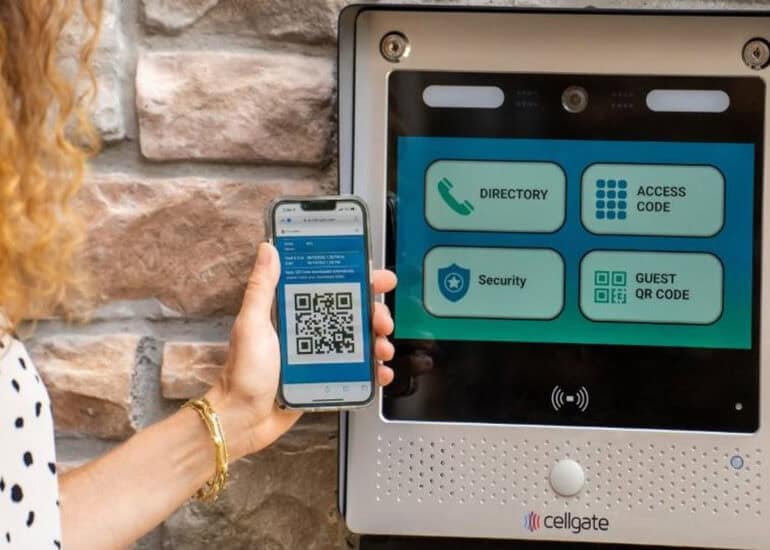
Whether for home protection, crime prevention or granting access to business buildings, floors and offices, wireless access control, which utilizes cloud, internet or cellular technologies, is the most efficient and cost-effective way to manage who can access a property and how. Wireless access control comes in various shapes and sizes from phone-based apps with video/audio streaming, to keypad entry systems, to fobs and card swipes, and more.
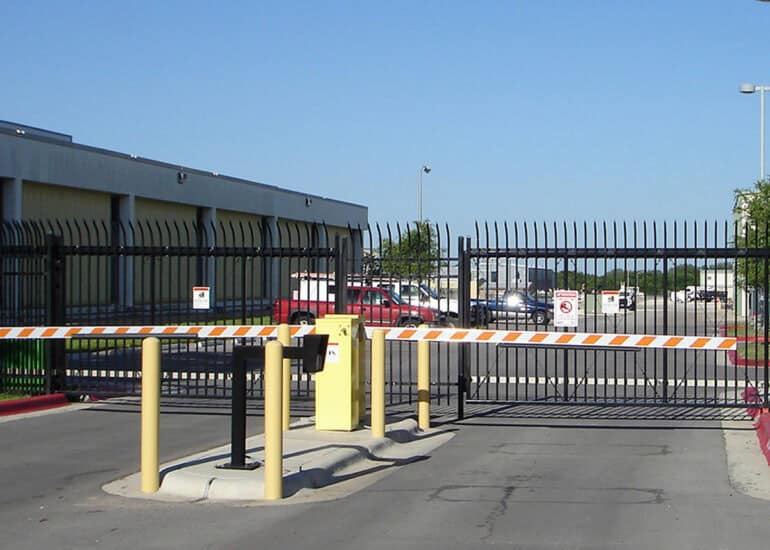
Crash systems, also called anti-ram barriers, are uniquely designed for controlling, limiting or mitigating access to properties and areas requiring the highest level of protection for the highest level of safety. Anti-ram barriers are usually rated by third-party organizations and provide protection against vehicle attacks and accidents for embassies, sports arenas, airports, refineries and other areas that require protecting people and buildings.