

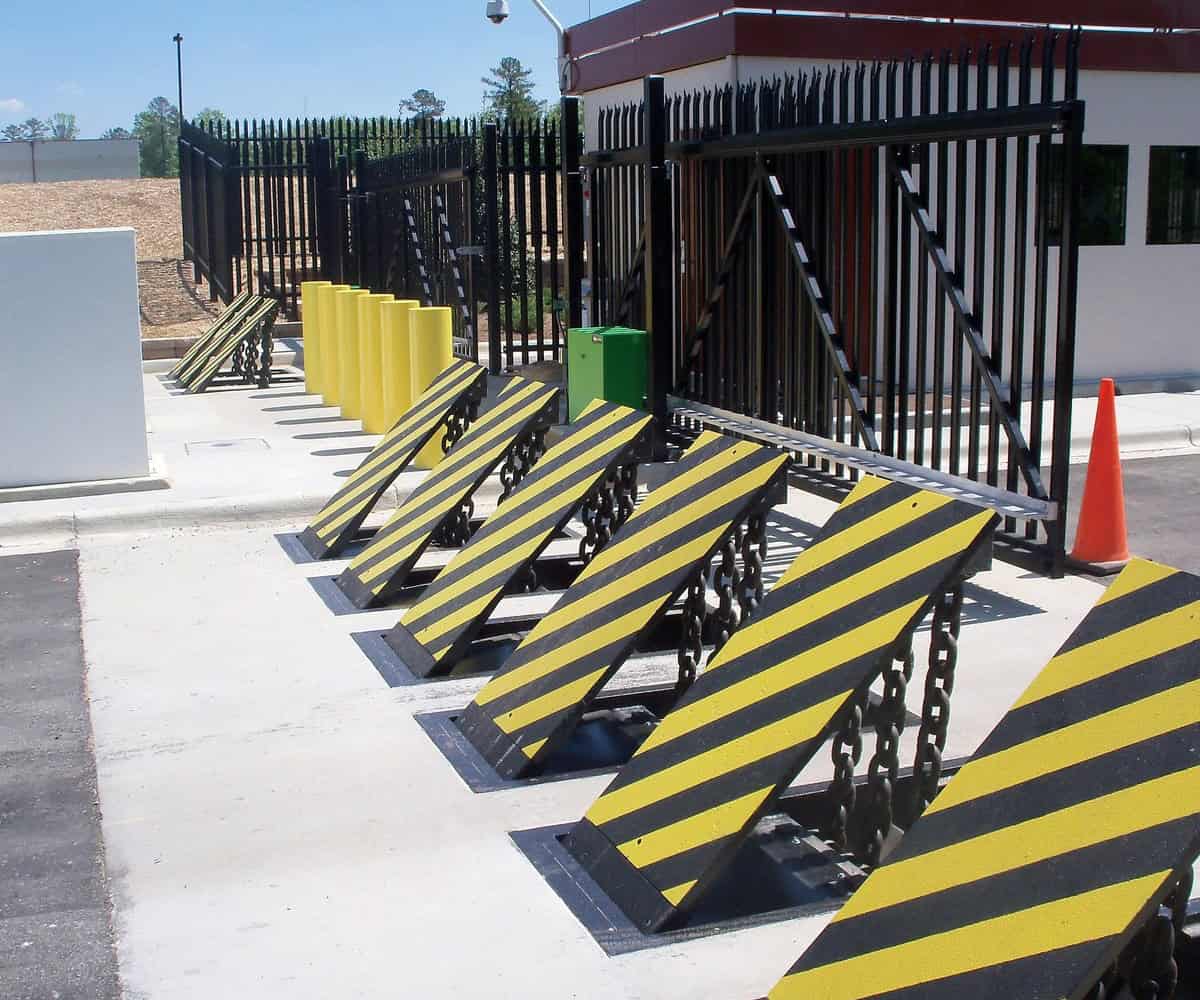
In any facility, access points define how safe and efficient the property operates. Barrier gate operators are no longer just mechanical arms. They are now deliberately engineered solutions that manage vehicles and safeguard people. These systems handle thousands of movements without fatigue and enforce security through busy industrial yards to gated residential communities.
A facility without a properly designed barrier system quickly shows its weaknesses when unauthorized vehicles slip in or when staff scramble to maintain order. A modern operator takes these challenges off the table. It tracks entries and prevents unsafe behavior so that traffic moves as designed. All while providing a clear audit trail of activity.
Security That Commands Compliance
The security impact of barrier gate operators is immediate and measurable.
Every vehicle approaching a controlled entrance is logged and verified. Integration with commercial gate access control systems allows operators to enforce time-based permissions. They also enable the restriction of access for certain vehicle types and security team alerts whenever anomalies arise.
Consider a mid-size commercial complex with multiple delivery trucks and employee vehicles. A conventional gate might let multiple vehicles sneak through, but this will only create blind spots and security gaps. In contrast, a barrier gate operator utilizes sensors to permit only one vehicle at a time. Alarms can be set off when tailgating attempts are detected. Even video feeds can automatically start recording the event.
The system also creates a detailed digital footprint of every movement. Entry logs with timestamps and vehicle identification give security managers a level of oversight that human monitoring alone cannot ever achieve.
Traffic Flow That Feels Natural
Barrier gate operators excel at directing traffic efficiently. They handle queues and respond to vehicle detection. A properly configured operator prevents the bottlenecks and stop-and-go patterns that frustrate drivers and create risk.
Time is also of absolute importance in any industrial setting. Trucks delivering materials or perhaps forklifts moving between gates demand coordination in movements. Barrier operators can be synchronized with loop detectors and signal lights to manage multiple lanes or separate different vehicle types. This makes sure that all operations continue smoothly under pressure.
Even in commercial settings, the difference is noticeable. Vehicles pass through quickly. Security staff are free to focus on higher-priority tasks, and visitors experience a seamless arrival. The system reduces human intervention, but not at the expense of control.
Integration That Expands Capability
Integrating a barrier gate operator with other systems multiplies its value. A gate can become a proactive node in the facility’s security and operational network by connecting to automated gate operator platforms or license plate recognition.
Automatic enforcement of rules will also be possible. Logs can be fed straight into centralized management dashboards. Gates will only open during allowed hours, and alerts can be triggered for unauthorized attempts. Through integration, operators may produce meaningful insights while managing access.
Also, integration enforces compliance for facilities with several gates. Only when operators interact with one another to avoid bottlenecks or safety conflicts can traffic flows be maximized throughout the site, and all access points will adhere to the same regulations.
Choosing the Right Operator for Your Needs
It takes more than just matching a motor to a gate to choose a suitable barrier gate operator. Vehicle kinds and traffic frequency must be taken into consideration, together with the required level of integration.
Heavy-duty parts with redundant safety features are necessary in a busy industrial yard. On the other hand, a residential neighborhood might place more emphasis on resident access card integration and discrete operation.
Factors that guide selection are as follows.
- Gate size and weight
- Expected daily cycles
- Integration with traffic and security management systems
- Environmental factors, such as exposure to the coastline or extremes in temperature
Implementing this properly implies less maintenance and more security. A customized fit that satisfies both present requirements and projected expansion is the ultimate goal.
Maintenance for Safety and Longevity
Even the most reliable barrier gate operator requires care. Performance can be hampered by dirty sensors or misaligned tracks. Frequent maintenance and inspections prolong operational life and uphold safety regulations.
Advanced operators use fail-safes that automatically identify obstacles and prevent collisions. For commercial and industrial areas where liability and safety are at risk, adherence to standards like UL 325 is of particular importance.
Impact of Barrier Gate Operators in Routine Situations
Facilities with well-chosen barrier gate operators notice measurable improvements. Security breaches drop because unauthorized vehicles cannot bypass the system. Improved traffic flow lowers the chance of accidents and idle times. Employees are free to focus on things that bring value rather than monitoring admissions.
Operators can automatically separate staff vehicles from trucks in industrial applications. This lessens the possibility of bottlenecks or collisions. Commercial sites have similar regulations and track every entry to maintain accountability
Conclusion
Barrier gate operators are important for properties where security and operational clarity matter. They provide precise control over who can enter and how incidents are tracked. Integration with commercial gate access control systems maintains consistent enforcement and visibility across multiple sites.
Facilities seeking to upgrade or install automated gate operators benefit from professional evaluation and installation from R3 Access.
Explore more options for barrier gate operators for your facility.
People Also Ask
1. How do barrier gate operators prevent unauthorized access?
They do so by verifying credentials and logging every vehicle. The sensors can also help in detecting tailgating or unsafe entry attempts.
2. Can barrier gate operators manage traffic efficiently?
Yes. They control timing and reduce congestion. All while coordinating flow between lanes or entrances.
3. Are barrier gate operators suitable for industrial use?
Industrial-grade models are designed to withstand severe environments and constant cycles of heavy loads.
4. How do barrier gate operators work in collaboration with access control systems?
They work with card readers, intercoms, and license plate recognition, automating entry while logging and enforcing access policies.