

Security used to be simple. Lock the door. Hand out a few keys. Hope nothing goes wrong.
That worked… until it didn’t.
Keys get lost. Employees leave without returning them. Contractors show up at odd hours. And suddenly, you don’t really know who has access anymore.
That’s where door access card readers step in. Not as some fancy upgrade, but honestly, as a necessary fix.
They don’t just control entry. They give you visibility, control, and something most older systems never had — accountability.
Let’s break it down properly.
What Are Door Access Card Readers?
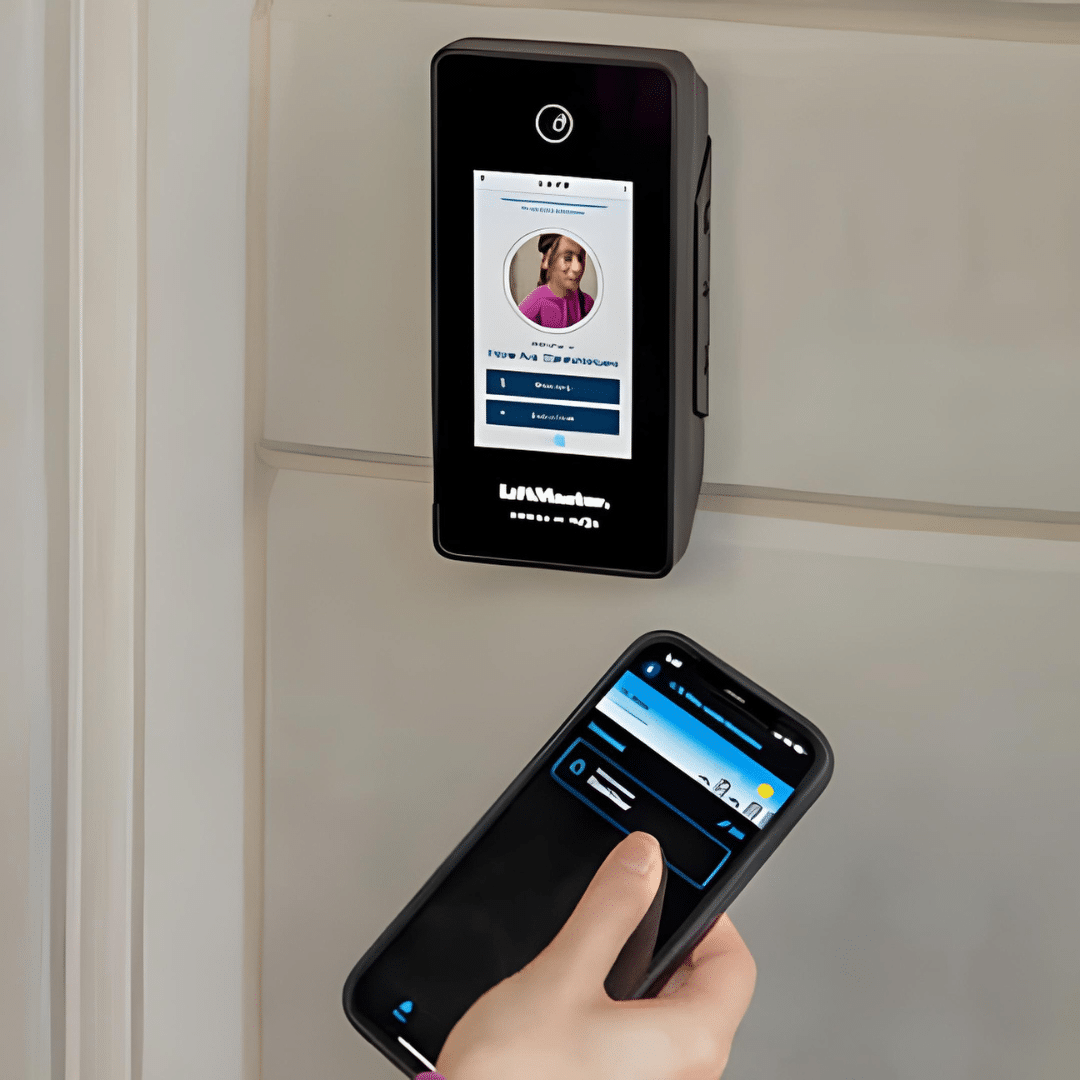
At the basic level, door access card readers are exactly what they sound like.
A device mounted near a door. A user taps or scans a card (or fob). The system checks if that person is allowed in. If yes, the door unlocks.
Simple.
But behind that simple action is a controlled system that decides the following:
- Who gets in
- Where can they go
- When they can enter
And that’s where things get interesting.
Modern systems like the ones available through R3 Access support the following:
- Stand-alone and wall-mounted readers
- Indoor and outdoor installations
- Wired, wireless, and even cloud-based setups
They’re built for real environments. Offices, warehouses, multi-tenant buildings… not just theory.
Why Traditional Access Methods Fail
Let’s be blunt here.
Keys are a problem.
They seem cheap and easy, but they create long-term risk:
- No way to track usage
- Easy to duplicate
- Hard to manage at scale
- Expensive to replace locks
And keypads? Slightly better, but still flawed.
Codes get shared. People don’t change them. Former employees still remember them.
So even though the door looks “secured,” it’s not really controlled.
That gap is exactly what door access card readers close.
How Door Access Card Readers Actually Reduce Security Risks
This is where the real value shows up. Not in the hardware but in what it allows you to do.
1. Controlled Access by User
Every card is assigned to a specific person.
Not a department. Not a shared code.
A person.
So when someone scans their card:
- The system knows exactly who it is
- Access is granted based on their role
If someone leaves the company? You deactivate the card.
Done. No lock changes. No chasing keys.
2. Time-Based Permissions
Not everyone should have 24/7 access. And with card readers, they don’t.
You can set schedules like:
- Office staff: 8 AM – 6 PM
- Cleaning crew: After hours only
- Contractors: Temporary access
If someone tries outside their allowed time, access is denied.
No arguments. No guesswork.
3. Real-Time Tracking and Logs
This is something people underestimate.
Every entry is recorded:
- Who entered
- When they entered
- Which door they use?
So if something goes wrong, you’re not guessing.
You have actual data.
4. Fast Deactivation (This One Matters a Lot)
Let’s say an employee leaves suddenly.
With keys? You’re stuck.
With Door Access Card Readers?
You disable access in seconds.
That’s it. Risk gone.
Where Automatic Swing Gate Opening Systems Fit In
Now let’s step outside the building.
Doors are one part of access control. Gates are the others.
An automatic swing gate opening system works alongside card readers to control vehicle or perimeter entry.
Think about a facility entrance:
- An employee drives up
- Taps access card (or integrated system reads it)
- The gate opens automatically
No guards. No delays. No confusion.
And just like door access:
- Permissions can be restricted
- Entry is logged
- Access can be revoked instantly
It’s the same idea just applied to larger entry points.
High-Traffic Environments Need Smarter Access
Some places don’t get the luxury of slow systems like warehouses, distribution centers, and commercial buildings. Because of hundreds of entries every day.
In those environments, door access card readers are not just useful, they’re necessary.
They help with:
- Faster movement of people
- Reduced bottlenecks
- Less manual oversight
- Consistent security enforcement
And when paired with systems like slide or swing gates, everything stays connected.
If you’re exploring gate integration, visit R3 Access to know more about how systems connect.
Choosing the Right System Actually Matters
Here’s something people don’t always realize until it’s too late. Not every system fits every building, and installing the wrong one? That gets expensive fast.
That’s why working with experienced providers like R3 Access makes a difference.
We help you:
- Match systems to your building’s layout.
- Avoid compatibility issues
- Choose between wired, wireless, or cloud systems
- Plan for future expansion
Because security systems aren’t something you want to “figure out later.”
The Role of Reliable Manufacturers
Hardware matters. Even the best access plan falls apart if the devices fail. That’s why many systems rely on established manufacturers like DoorKing. They’ve been in the access control space for decades, building the following:
- Durable card readers
- Gate operators
- Integrated access systems
When systems run all day, every day… reliability isn’t optional.
Common Mistakes That Lead to Security Gaps
Let’s keep this real. Most security issues don’t come from hacking. They come from a poor setup. Some common ones:
- Giving too many people unrestricted access
- Not updating permissions regularly
- Using outdated hardware
- Ignoring system logs
- Choosing systems without scalability
Door access card readers solve a lot, but only when used properly.
Why Businesses Are Moving Toward Integrated Access Systems
Standalone systems used to be enough. Not anymore.
Now, everything connects:
- Doors
- Gates
- Elevators
- Parking access
Single system and dashboard with full control. And it’s not just about convenience. It’s about reducing blind spots. Because every uncontrolled entry point is a potential risk.
Final Thoughts
Security isn’t about having a locked door. It’s about knowing who can unlock it.
That’s the difference.
door access card readers don’t just replace keys. They replace uncertainty.
And when combined with systems like an automatic swing gate opening system, you’re not just securing doors; you’re controlling your entire property.
That’s where real security starts.
FAQs
How do door access card readers reduce unauthorized entry?
Door access card readers lower the incidence of unauthorized access by issuing users with unique credentials. R3 Access has systems that enable administrators to regulate the entry of people into a particular area at a particular time. In case there is a necessity to revoke access, it can be performed immediately without any lock modifications, and this is important to control the overall security.
Is it possible to use door access card readers with gate systems?
Yes, they are capable of integrating with other systems, such as an automatic swing gate opening system. This enables pedestrian and vehicle access to be governed through a single system. It guarantees a uniform security policy between entry points and enhances general property access management.
Are card reader systems appropriate in high-traffic locations?
Absolutely. These are systems that are intended to be used in places that need constant entry. They are certified to be fast with minimal wait times and keep proper logs of access, and this makes them suitable for offices, warehouses, and commercial premises.
What will happen when an access card is lost?
In case of loss of cards, the card can be promptly deactivated using the system. One can then issue a new card without disturbing the rest of the setup. This is much safer than the traditional keys, which frequently involve the replacement of locks.
Why is it significant to select the appropriate manufacturer?
The reliability and durability of the system are left to the manufacturer. Established brands such as DoorKing offer high-quality access control systems that can operate effectively when under heavy traffic, which is imperative in protecting long-term security.