

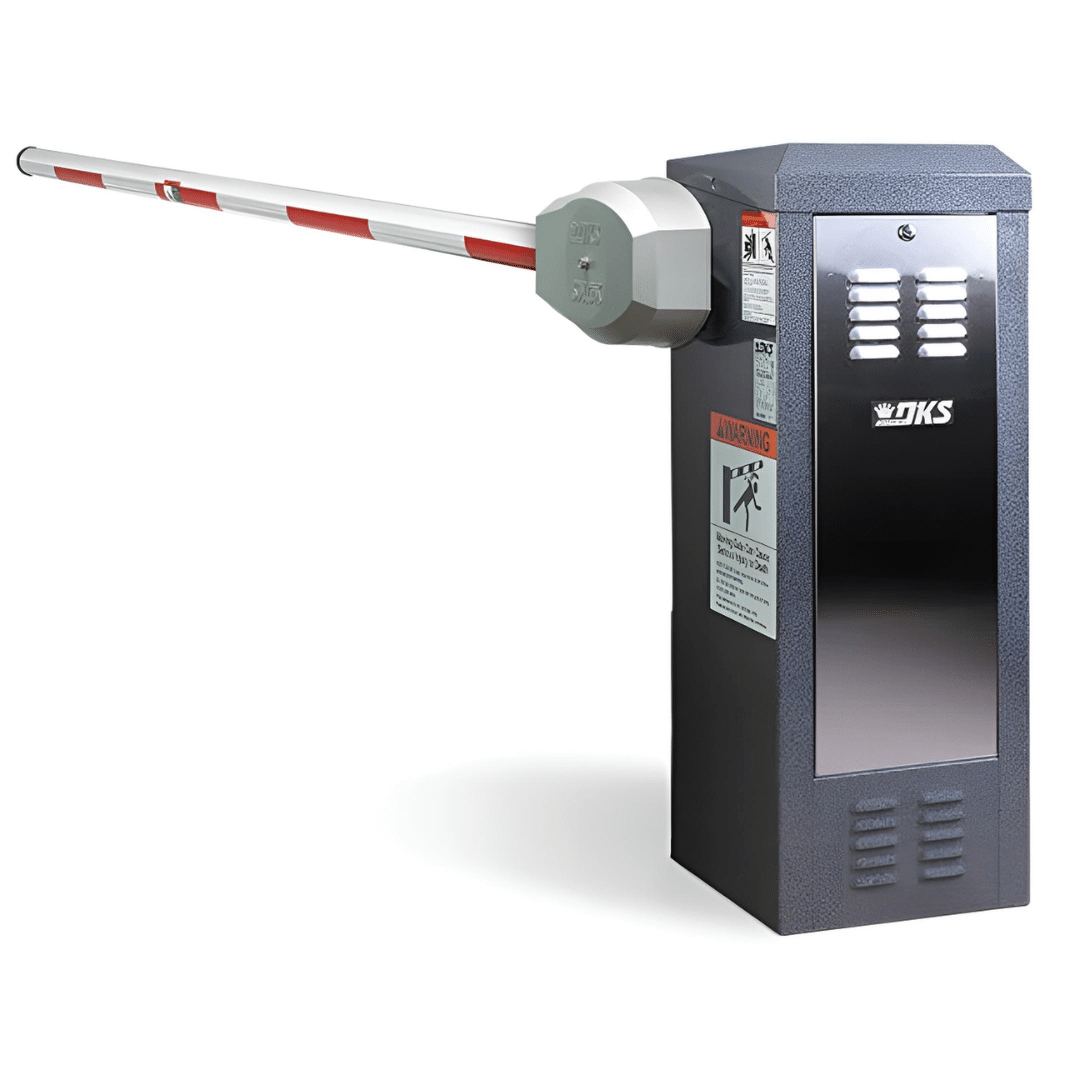
Barrier gate operators don’t usually get attention until something goes wrong.
Everything works fine until the arm doesn’t lift, traffic backs up, someone starts honking, and suddenly it’s a problem. A big one.
If you’re running a commercial or industrial site, even a small issue with your commercial gate opener can slow things down fast. Trucks get delayed, employees get frustrated, and security takes a hit.
The good news? Most of these problems are pretty common. And more importantly, they’re fixable if you know what to look for.
Let’s break it down.
Understanding Barrier Gate Operators
Barrier gate operators are those motorized arms you see at entrances, parking lots, warehouses, toll booths, and industrial yards.
They’re built for repetition. Open. Close. Repeat. Sometimes hundreds of times a day.
Modern systems come packed with features like:
- Auto-reverse safety
- Manual emergency release
- Traffic light logic
- Weather-resistant builds
- Anti-vandal designs
Sounds solid, right? It is. But even strong systems wear down or fail if something’s off with installation, environment, or just plain over-use.
Problem #1: Gate Arm Won’t Open or Close
This is the classic one.
You press the button… nothing. Or worse, it moves halfway and just stops.
Why it happens:
- Power supply issues
- Faulty wiring
- Burnt-out motor
- Control board failure
How to fix it:
Start simple. Check the power. You’d be surprised how often it’s just a loose connection or tripped breaker.
If power is fine, the issue might be internal to the motor or control board. That’s where proper system design matters. Poor compatibility between components is a common root cause.
This is exactly why working with experienced teams like R3 Access helps you avoid mismatched systems in the first place.
Problem #2: Slow Operation (And Traffic Builds Up Fast)
A slow gate doesn’t sound like a big deal… until you’ve got 10 trucks waiting in line.
Common causes:
- Aging motor
- Poor voltage supply
- Mechanical wear
- Wrong operator type for traffic volume
Fix:
Sometimes, the operator simply isn’t designed for high cycles.
This is where choosing the right commercial gate opener becomes critical. Industrial environments need heavy-duty systems, not residential-grade hardware, trying to keep up.
If your facility is growing, it might be time to upgrade rather than “repair again.”
Problem #3: Gate Reverses for No Reason
You’ve probably seen this: the gate starts closing, then suddenly reverses.
Annoying. And risky.
Causes:
- Misaligned safety sensors
- Dirty photo eyes
- Obstructions (even small ones)
- Sensitivity set too high
Fix:
Clean the sensors first. Dust, dirt, and even rain buildup can mess with readings. Then check alignment. Sensors need a clear, straight path. If the issue keeps happening, recalibration may be needed.
Problem #4: Barrier Arm Damage (More Common Than You Think)
Barrier arms take a beating. Trucks misjudge distance. Drivers rush through. Stuff happens.
Typical damage:
- Bent arms
- Cracked joints
- Loose mounting
Fix:
Minor bends can sometimes be repaired. But honestly, replacing the arm is often the better move. Also consider breakaway arms. They’re designed to detach on impact instead of damaging the whole system. That one feature alone can save you a lot in repairs.
Problem #5: Weather-Related Failures
Rain, heat, dust, snow… Your gate deals with all of it.
And over time, it shows.
Issues caused by weather:
- Rust and corrosion
- Electrical shorts
- Frozen components
- Sensor interference
Fix:
Use operators built for harsh environments. Not all are.
High-quality systems from trusted manufacturers are designed with weather resistance in mind. That includes sealed components, durable coatings, and temperature tolerance. R3 Access works with proven manufacturers who build equipment specifically for these conditions, something a lot of buyers overlook until it’s too late.
Problem #6: Inconsistent Access Control Integration
Sometimes the gate works fine, but doesn’t respond properly to access systems.
Keypads fail. Cards don’t trigger. LPR delays.
Causes:
- Poor integration setup
- Outdated specs
- Incorrect wiring protocols
Fix:
This one’s less about the gate and more about the system around it. Compatibility matters. In fact, many projects run into issues because of outdated blueprints or wrong product specs. It happens more often than people admit. If you’re planning upgrades, it’s worth reviewing system compatibility first.
Problem #7: Excessive Noise or Vibration
If your gate sounds like it’s struggling… it probably is.
Causes:
- Worn gears
- Loose components
- Lack of lubrication
- Misalignment
Fix:
Routine maintenance goes a long way here.
Lubricate moving parts. Tighten connections. Replace worn components before they fail completely.
Ignoring noise usually leads to bigger (and more expensive) problems later.
Where Industrial Gate Systems Fit In
Not every setup is the same.
High-traffic facilities, logistics hubs, factories, and distribution centers need more than just a basic system.
They rely on industrial gate opener setups designed for constant use.
Because honestly, using the wrong system is one of the biggest reasons these problems start in the first place.
Why Choosing the Right Manufacturer Matters
Not all gate systems are built the same.
Reliable manufacturers focus on:
- Durability
- High-cycle performance
- Safety compliance
- Integration flexibility
R3 Access partners with established manufacturers known for consistent performance and long-term reliability. That means you’re not just getting a product, you’re getting something that actually holds up under pressure.
And in environments where gates operate all day, every day… that matters more than anything.
Final Thoughts
Barrier gate operators are simple in concept. But in real-world use? They take a beating.
Most failures don’t come out of nowhere. They build up small issues, ignore maintenance, and make wrong equipment choices. If there’s one takeaway here, it’s this:
Get the right system from the start.
It saves time. Money. And a lot of headaches.
If you’re reviewing your setup or planning a new one, it’s worth taking a closer look at professional-grade solutions from R3 Access. Our team helps make sure everything actually fits before problems show up later.
FAQs
What are the most common issues with barrier gate operators?
Common issues that the operator of barrier gates can meet are the lack of power, slowness, misposition of the sensor, and mechanical wear. These problems are, in most instances, a result of improper installation or the wrong type of system. The selection of equipment and setup will prevent frequent breakdowns and allow the operations to continue effectively.
What makes me know that I need a new commercial gate opener?
Maybe it is time to change your present commercial gate opener if it is slow, unreliable, or always in need of fixing. Systems that are incapable of managing your traffic volumes tend to wear out more quickly. Performance problems that keep on recurring are normally addressed by upgrading to a bigger operator.
Does weather actually have any influence on the performance of the barrier gates?
Yes, weather plays a big role. Extreme temperatures, dust, and rain may cause internal damage or sensor interference. This is the reason why it is necessary to install weather-resistant systems that are intended to be used outdoors and for industrial purposes, particularly in severe conditions.
Why is my gate reversing as it closes?
This normally occurs as a result of safety sensors. Photo eyes that are dirty or misaligned can also be detected as obstacles, resulting in a reversal of the gate. Most errors can be sorted out by cleaning and correctly aligning the sensors; however, recalibration may be required.
Why would I select R3 Access as a barrier gate solution?
R3 Access offers barrier gate operators of quality by reputable manufacturers. Our professionals assist in compatibility checks, specifications, and predictable operation and performance without going into expensive trouble once in place.