

Security is kind of one of those things a lot of businesses don’t really dwell on until something goes wrong. Like, a lost key, or an unauthorized visitor, or an employee stepping into an area they shouldn’t. Sometimes it turns into a small hassle, other times it becomes a costly headache.
So more organizations are slowly shifting toward modern commercial access control systems, rather than leaning on traditional locks and keys. Nowadays, businesses need more than just a basic door lock. They need a way to manage who gets in, exactly when they arrive, and also what routes or spaces they can use once they’re inside.
Whether it’s a corporate office, a retail center, a warehouse, a tech company, or a distribution facility, access control has turned into a big everyday piece of security planning.
Traditional Keys Create More Problems Than Most Businesses Realize
For years, businesses relied on keys. It seemed simple enough. Give employees keys and lock the doors after hours. But keys come with issues. Employees leave. Keys get lost. Contractors finish projects and forget to return them. Sometimes, nobody even knows exactly how many copies of a key exist.
When that happens, businesses often face the cost of rekeying entire buildings or replacing locks altogether.
With modern access control systems, those issues mostly just… kind of disappear. Instead of physical keys, employees can use access cards, mobile credentials, biometric verification, keypads, or even video entry systems. Access permissions can be tweaked in minutes rather than having to swap hardware all across the facility. For companies that keep growing, this flexibility matters a lot, you know.
Better Control Over Who Enters the Property
One of the biggest reasons businesses invest in access control is visibility. With traditional locks, you kinda know someone unlocked a door, that’s it, really.
With a modern access control platform, every access event gets recorded. So managers can quickly see who entered, which door was used, and when the access happened. Over time, that info turns into something more valuable, especially during incident reviews, when investigating unusual activity, or even just trying to understand how the building is actually being used day to day.
If an organization is dealing with multiple entrances, loading docks, parking areas, gates, and even interior offices, that kind of oversight makes daily operations feel a lot less chaotic. A lot of businesses that want advanced solutions end up looking at commercial access control systems built for corporate and commercial settings, where security expectations can shift from one facility to the next.
Access Can Be Customized for Different Employees
Not everyone within a company needs access to every area. The accounting department doesn’t necessarily need access to server rooms. Warehouse workers may not require entry into executive offices. Temporary contractors might only need access during certain hours. Access control systems allow businesses to create customized permissions based on job responsibilities.
For example:
- Employees can access the main office areas.
- Management can access restricted departments.
- Contractors can receive temporary credentials.
- Delivery personnel can enter approved locations only.
This layered approach helps reduce unnecessary security risks while keeping operations running smoothly.
Commercial Facilities Often Have Complex Security Needs
Every business operates differently. A corporate office may focus on employee access and visitor management. A distribution center may need vehicle gates, loading dock controls, and perimeter security. A retail center may need after-hours access management for multiple tenants.
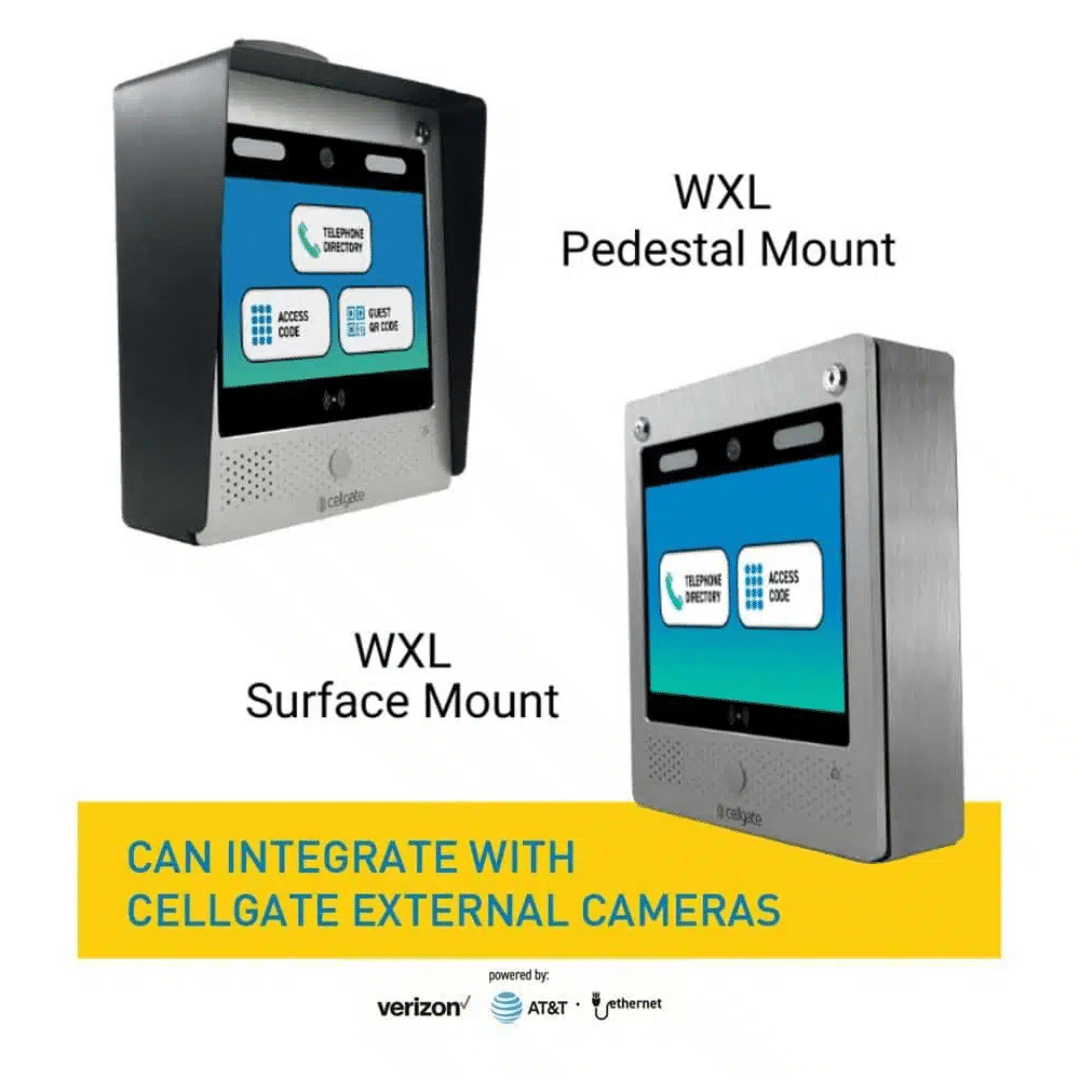
That’s why modern systems are designed to work with multiple technologies, including:
- Telephone entry systems
- Video intercom systems
- Card readers
- Mobile credentials
- Wireless access solutions
- Biometric authentication
- Gate operators
- Barrier systems
The goal isn’t simply locking doors. It’s creating a complete security strategy that works with the facility’s daily operations.
Visitor Management Becomes Easier
Visitors are part of day-to-day business life, really. Clients, vendors, contractors, maintenance crews, and delivery drivers all need access at some point, right?
The tricky part is balancing convenience with security. Access control systems let companies hand out temporary credentials, set up visitor timetables, and then watch visitor movement a bit more closely
Instead of leaning on handwritten sign-in sheets, which usually get ignored or just left half done, businesses can keep detailed digital records of visitor activity. That helps security in a real way, but it also gives guests a more polished, professional experience when they arrive at the site.
Remote Management Saves Time
A thing lots of businesses really like is remote access management. Facility managers don’t always have to be there in person just to make the security tweaks. And if an employee leaves the company, the access credentials can be shut off right away.
Also, when a contractor needs a short-lived entry, permissions can be issued remotely, not this whole back-and-forth. If a security concern shows up after hours, administrators can often inspect the activity logs and handle access from a workstation, or maybe from a phone app too. This level of ease can save a good amount of time, particularly for organizations overseeing several different locations at once.
A Quality Access Control System Supports Business Growth
Many businesses start small and expand over time. New employees are hired. Additional buildings are added. Security requirements become more complicated.
A quality access control system provides scalability that traditional lock-and-key systems simply can’t match. New users can be added quickly. Additional doors and gates can be integrated into the existing infrastructure. Access rules can evolve as the company grows. Rather than replacing an entire security framework every few years, businesses can build upon what they already have.
That long-term flexibility often makes access control a smart investment rather than just another expense.
Gate Access Control Adds Another Layer of Protection
Building security doesn’t begin at the front door. For many facilities, the first security checkpoint is actually the perimeter.
Commercial properties frequently use gate access systems to regulate vehicle traffic and control entry before visitors ever reach the building itself. Authorized personnel can gain entry using credentials, mobile devices, video verification, or other approved methods.
This creates an additional security layer that helps protect employees, assets, inventory, and equipment. Many organizations also look at solutions used in Residential Gate access Control Systems because some of the same access technologies can be adapted to private communities, mixed-use developments, and gated properties.
Compliance and Security Expectations Continue to Increase
Many industries face growing security requirements. Healthcare providers, financial institutions, technology companies, government contractors, and educational facilities often need documented access controls as part of regulatory compliance.
Maintaining detailed access records can help organizations demonstrate security procedures during audits or investigations. Even businesses that aren’t required to meet strict regulations often discover that access control improves accountability across the organization. When access activity is documented, security becomes easier to manage and easier to verify.
Reducing Risk Can Protect the Bottom Line
Security incidents end up costing a lot, sometimes way more than people expect.
The expenses aren’t always tied to outright theft or property damage. A lot of times, it’s operational downtime, lost productivity, liability concerns, or even reputational harm. Access control systems help reduce several common risks by limiting unauthorized entry and also making clean, traceable records of what happened in the facility.
No single security system wipes out every possible threat, but stronger controls in place can make a big difference for a company’s overall security posture. For many organizations, that extra layer of protection is enough by itself to justify the spend.
Final Thoughts
Businesses today have security challenges that feel way more complex than back then, like a decade ago, and it shows.
Employees need convenient access so they can work without delays. Visitors need controlled entry, not just “whatever works”. Facilities still need solid protection, and the management team needs clear visibility, as well as a bit of accountability. That’s why commercial access control systems keep playing such an important part in modern-day business operations. They offer better control, firmer security, improved traceability, and that useful flexibility required to back up future growth.
If you’re looking at access control options for a commercial property, a corporate office, an industrial facility, or a multi-building campus, taking time to learn about what’s available can help you design a system that matches both what you need now and where you want to go later.
For more details on access control technologies and security solutions, visit R3 Access.
FAQs
1. What are commercial access control systems, and why are they important?
Commercial access control systems help businesses manage who can enter buildings, offices, gates, and other restricted spaces. Instead of using old-school keys, these platforms rely on credentials like cards, mobile devices, keypads, or biometrics. They ramp up security, keep activity logs, and let organizations have more say over employee, guest, or visitor entry across the whole property.
2. Can access control systems be used for both doors and gates?
Yes. Modern access control setups can handle access through doors, vehicle gates, barriers, parking zones, and other controlled points. That means businesses can protect the outer boundary entrances and also the inner rooms, while still keeping the same security approach across the entire facility.
3. How does a quality access control system support business growth?
A quality access control system can grow along with a company. As you add more users, new locations, and other entry points, you can usually slot them in without having to swap out the whole system. That kind of scalability makes it easier for businesses to tune their security setup while still keeping day-to-day operations smooth, and access administration stays consistent.
4. Can businesses manage access control systems remotely?
Yes, many modern platforms include remote management. Administrators may change permissions, deactivate credentials, look over access logs, and keep an eye on activity from approved computers or mobile devices. This flexibility is especially handy for organizations that run multiple buildings or support distributed teams.
5. Why should businesses choose R3 Access for access control solutions
R3 Access offers access control solutions for lots of commercial settings, like corporate offices, technology companies, retail locations, distributors, and other kinds of facilities. Our background in the industry, plus a focus on compatible security technologies, helps businesses compare options that fit operational needs, security objectives, and even upcoming expansion plans.