

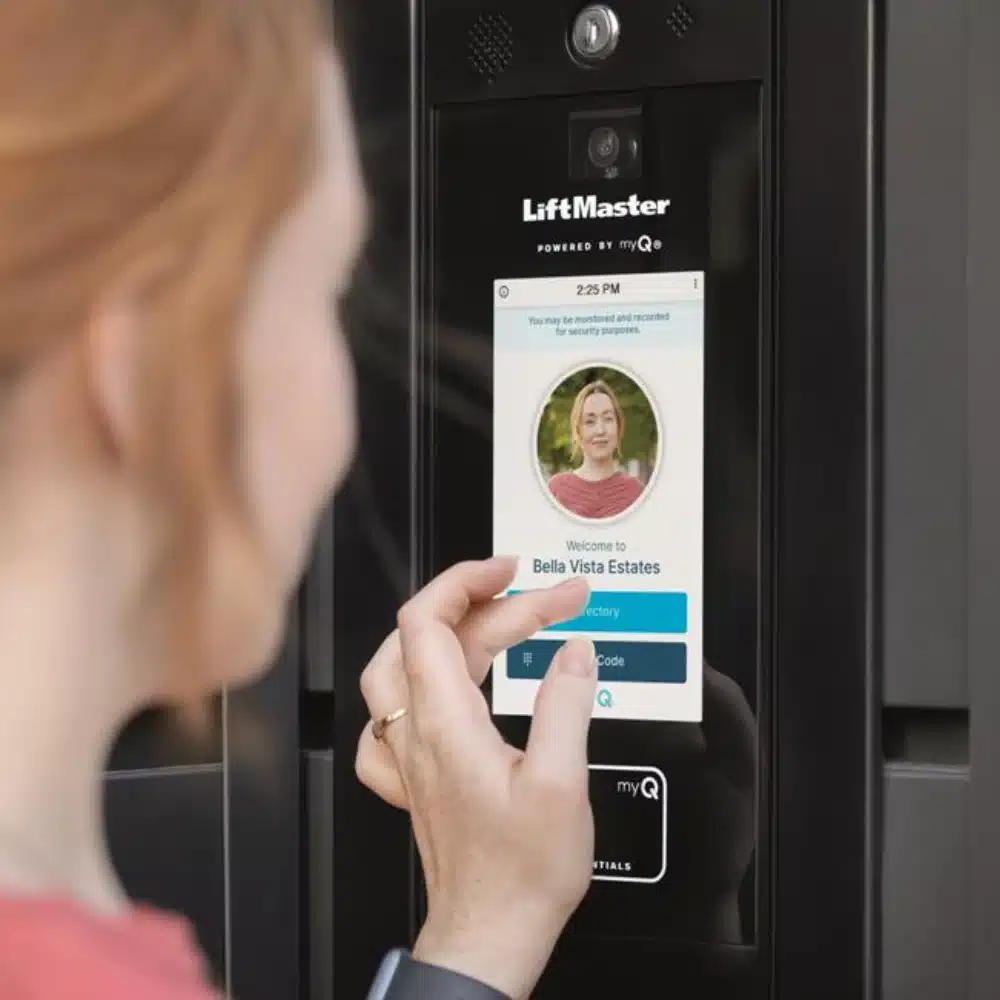
Workplace safety and efficiency often get discussed like separate ambitions, with each living in its own meeting room. Yet they share the same hallway in reality! Work flows better when employees feel secure, and safety becomes part of the routine rather than a constant concern when systems are clear and predictable.
Door access card readers sit right at this intersection. They are now reshaping how modern workplaces function without demanding attention.
Access control has evolved from a background security feature to over the last ten years. It no longer exists just to keep intruders out. It now helps businesses understand movement, manage permissions, reduce friction, and respond faster when something goes wrong. The technology has matured, the hardware has become smarter, and the expectations around workplace security have risen.
Card readers are no longer just control systems that grant or deny access. They shape how a workplace functions throughout the day.
A More Controlled Environment Without Feeling Restrictive
Traditional lock-and-key systems rely on trust and luck. Keys can be copied and lost, or passed along with little oversight. Door access card readers replace that uncertainty with controlled permission.
Each card is issued and tracked with configurable parameters. Access is now linked to a commercial gate opener with a modifiable digital profile. Businesses can use this feature to choose who is allowed to access certain zones. Server rooms, research labs, HR offices, and inventory storage no longer depend on shared keys or manual supervision.
Employees move freely where they are authorized, all while sensitive areas remain protected.
What makes this effective is subtlety. Employees are not questioned or slowed down. They tap a card and continue their day. Security becomes part of the architecture rather than a visible obstacle.
Reducing Risk Through Accountability
One of the less discussed strengths of commercial gate openers with card access is accountability.
Every access event creates a record. When an incident of unauthorized access or a safety breach occurs, access logs provide a reliable context. Knowing when anyone entered an area removes guesswork and prevents unfair blame. It also shortens investigations, which limits disruption and protects employee trust.
Such accountability also discourages risky behavior from a security standpoint. When access is personal rather than shared, employees naturally follow protocols more carefully. The system does not accuse. It simply remembers.
Faster Responses During Emergencies
Modern access control systems integrate with broader safety infrastructure for emergencies. Door access card readers can work alongside fire systems, alarm networks, and emergency response protocols to support faster response time.
During evacuations, access systems with an automatic rolling gate opener can unlock designated exits while restricting entry into unsafe zones. Doors can also be secured instantly across the building without requiring manual intervention in lockdown scenarios. These responses occur in seconds when guided by predefined rules, rather than by human reaction time.
Recent developments enable dynamic adaptation of access systems. Administrators can easily make changes remotely with cloud-managed platforms. This was just not possible with earlier systems.
Enhanced Productivity
Workers no longer have to find a supervisor to gain entry or wait for a guard to unlock the entry door. Front desks can also issue temporary credentials to visitors.
Time tracking integrations have also become more refined.
Card readers can now support attendance logging without forcing employees into rigid punch-in routines. Entry data can also be synchronized with scheduling tools. This can help operations teams understand peak hours and space usage without relying on manual reporting.
Explore access control solutions at R3 Access.
Supporting a Hybrid and Evolving Workforce
Workplaces are no longer static. Hybrid schedules, flexible hours, contractors, and rotating teams have changed the way offices operate. Commercial gate openers with card access adapt to this reality more effectively than fixed security models.
Permissions can now be scheduled, adjusted, or revoked without physical changes. A contractor’s access can be limited to specific days and areas. A team transitioning to flexible hours can be accommodated without compromising security. And when employees leave, access can be disabled instantly, which eliminates any lingering risk.
Mobile credentials are also becoming more common. Many modern systems support smartphone-based access. This reduces reliance on physical cards while maintaining strong encryption standards.
Data That Informs Better Decisions
Access systems generate operational data that helps leaders make informed decisions. Patterns in access logs reveal which areas are underused, which entrances experience congestion, and how movement changes throughout the day.
This information supports workplace design improvements and energy efficiency initiatives with safe planning. Schedules can be aligned with actual usage rather than assumptions. Even emergency drills can be refined based on movement data.
The value here lies in quiet precision. Decisions are grounded in observation rather than instinct.
Compliance Without the Paper Trail
Many industries face strict regulations around access control for data protection and workplace safety. Door access card readers simplify compliance by maintaining automatic records that are accurate and tamper-resistant.
Audit trails are available without manual logs. Access policies can also be enforced consistently across departments and locations. Systems can also be updated without replacing hardware when regulations change.
Ending Note
Door access card readers have shifted from control to confidence. They create workplaces where safety and efficiency are embedded through better systems rather than louder rules.
Partner with R3 Access to build a workplace access strategy that prioritizes safety without unnecessary complexity.
Most Asked Queries About Door Access Card Readers
1. How secure are modern door access card readers compared to mainstream locks?
Modern card readers use encrypted credentials and centralized management, which is more secure than traditional locks. Instant updates and revocation of access rights are also possible.
2. What if an employee misplaces their access card?
Lost cards can be disabled right away to avoid unauthorized use. A replacement can be issued without changing locks or affecting other employees.
3. Should small businesses go for door access card readers?
Scalable pricing and cloud-based management have made them more affordable for small organizations. Even modest setups benefit from improved control and reduced administrative effort.
4. Do access card systems support remote management?
Most modern systems allow administrators to manage access remotely and review logs from secure dashboards.