

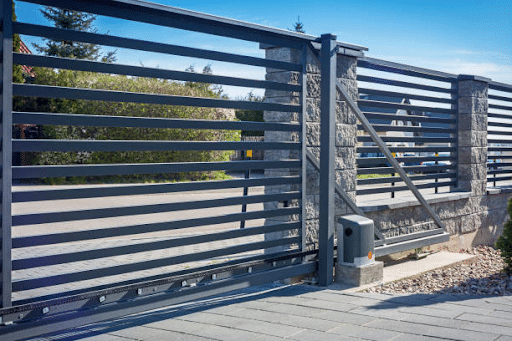
Gate automation has been around for decades. Early systems were basic: a motor, a remote, maybe a keypad. They worked, but they weren’t built for heavy traffic or smart integration. Fast forward to today, and US Automatic Gate Operators are changing the game.
The difference between these modern operators and traditional systems is more than just speed. It’s about reliability, compatibility, and how well they fit into today’s access control setups.
What Makes US Automatic Gate Operators Different
US Automatic operators are designed for properties that need smooth daily use. They’re built for frequent cycles, quick response, and integration with modern access tools. Traditional systems, on the other hand, often feel limited: slower motors, fewer integration options, and less durability under heavy use.
Key Comparisons
1. Convenience
- US Automatic: Remote, keypad, card reader, or even app‑based entry. No manual effort.
- Traditional systems: Usually limited to remotes or basic keypads.
2. Durability
- US Automatic: Heavy‑duty motors designed for frequent cycles. Can handle busy sites like warehouses or office complexes.
- Traditional systems: Lighter motors, wear faster under heavy use.
3. Integration
- US Automatic: Works with card readers, cameras, alarms, and modern access systems. Can pair with advanced models like the LiftMaster Gate Opener.
- Traditional systems: Often standalone, limited compatibility.
4. Speed & Flow
- US Automatic: Smooth, quick operation. Reduces traffic bottlenecks.
- Traditional systems: Slower, can cause delays in busy sites.
5. Security
- US Automatic: Supports audit trails, credential management, and smart access.
- Traditional systems: Basic deterrence, less effective against forced entry.
6. Scalability
- US Automatic: Easy to expand with more gates or users.
- Traditional systems: Harder to scale, often requires hardware changes.
Why US Automatic Gate Operators Stand Out
- Smooth daily use: US Automatic operators are built for busy properties where gates don’t break offices, warehouses, residential complexes. They open and close quickly, without jerks or delays, so traffic keeps moving. For tenants or employees, that means no waiting around at the gate.
- Smart integration: These operators don’t work in isolation. They pair easily with card readers, mobile apps, and advanced systems like the LiftMaster Gate Opener. That integration makes them part of a bigger access control setup, not just a standalone motor.
- Reliability: They’re designed for continuous cycles. Even if the gate opens hundreds of times a day, the motor doesn’t overheat or wear out quickly. Reliability here isn’t just about fewer breakdowns, it’s about confidence that the system won’t fail during peak hours.
- Security features: Modern US Automatic models support audit logs, credential management, and fail‑secure operation during outages. Many also integrate with surveillance systems, so managers get both physical control and digital oversight. That’s a big step up from older setups that only locked or unlocked.
Where Traditional Systems Still Work
Traditional automation isn’t useless. It still fits in certain scenarios where heavy‑duty performance isn’t needed.
- Low‑traffic sites: Farms, storage yards, or small residential driveways don’t see constant traffic. A basic motorized gate is enough to keep things secure without investing in advanced systems.
- Budget setups: Traditional systems cost less upfront. For properties where the budget is tight and traffic is light, they can be a practical choice. The trade‑off is shorter lifespan and fewer features.
- Basic deterrence: Sometimes you just need a gate that keeps casual intruders out. Traditional systems do that fine. They’re not engineered for high‑security environments, but they still provide a visible barrier that discourages unauthorized entry.
Risks & Trade‑Offs
- Traditional systems: Cheaper but can fail under heavy use, lack integration, and don’t provide detailed access records.
- US Automatic systems: Higher upfront investment but save money long‑term by reducing breakdowns, improving traffic flow, and scaling easily with property growth.
For properties considering upgrades, it’s important to check gate automation compatibility. Not every gate design fits every operator, and matching the right system avoids costly mistakes.
Why R3 Access is the best Distributor for Gate Operators
Properties don’t need random hardware; they need proven systems that integrate smoothly and last. R3 Access distributes reliable gate operators and access solutions from trusted manufacturers.
Instead of leaving property managers to guess which product fits, R3 Access helps them source equipment designed for real‑world demands. Whether it’s US Automatic operators for busy sites or LiftMaster models for advanced setups, the focus is on distributing products that keep security tight and operations smooth.
Conclusion
Traditional gate automation systems still have their place, but US Automatic Gate Operators are built for today’s demands. They deliver smoother operation, stronger integration, and better reliability for properties where traffic and security matter.
With reliable distribution from R3 Access, properties get access to proven solutions that keep tenants safe and managers in control.
Ready to explore smarter gate automation? Visit R3 Access today.
FAQs
1. How does R3 Access support US Automatic Gate Operators?
R3 Access distributes reliable gate operator systems that fit the needs of modern properties. Managers get access to proven hardware that integrates with doors, gates, and other security systems. By sourcing the right products, R3 Access helps properties tighten security without overcomplicating daily operations.
2. What’s the main advantage of US Automatic Gate Operators over traditional systems?
Traditional systems cover the basics, but US Automatic operators deliver smoother operation, stronger integration, and better durability. They’re built for heavy traffic and modern access setups, making them a smarter long‑term choice for busy properties.
3. Can US Automatic operators integrate with LiftMaster Gate Openers?
Yes. US Automatic operators can be paired with advanced models like the LiftMaster Gate Opener. This integration allows properties to combine reliability with smart features, keeping traffic moving while ensuring only authorized vehicles enter.
4. Are US Automatic Gate Operators scalable for growing properties?
Absolutely. Adding new users or expanding to more gates doesn’t require tearing down infrastructure. US Automatic systems scale smoothly, making them ideal for properties that grow or change over time.
5. Where do traditional systems still make sense?
Traditional automation works fine for low‑traffic sites or budget setups. Farms, storage yards, or small driveways don’t need heavy‑duty operators. But for busy commercial or multi‑tenant properties, traditional systems often fall short.