

Advanced Vehicle Barrier Solutions for High-Security Facilities
Modern security threats have changed the way facilities approach perimeter protection.Simply controlling access is no longer enough for many organizations. Today’s critical infrastructure sites often require systems capable of managing vehicle traffic while supporting strict security requirements.This is where crash-rated vehicle barrier systems become valuable. Unlike standard access control gates that primarily regulate entry and exit, crash systems are designed to create stronger protection at vulnerable access points. They help facilities establish secure perimeters while maintaining operational efficiency for authorized vehicles.
These Systems are Commonly Considered for:
- Government facilities
- Military installations
- Utility infrastructure
- Airports
- Transportation facilities
- Data centers
- Industrial complexes
- Critical operations centers
- Secure campuses
- High-security commercial sites
Each facility faces unique risks, which is why selecting the right barrier system requires careful planning.

What Is an Anti-Ram Barrier?
Anti-Ram Barriers are a type of security device that is designed to deter unauthorized vehicles from entering sensitive areas.These systems are often located at points of vehicle security, such as at the perimeter and at the facility entrances.Anti-ram barriers differ a great deal from standard gateways because they are frequently designed to be more resistant to vehicle access attempts and are still able to allow controlled access for authorized vehicles.
Many Organizations Incorporate Anti-ram Barriers as Part of a Larger Security Strategy that May Include
- Access control systems
- Surveillance technologies
- Visitor management platforms
- Security personnel
- Perimeter fencing
- Vehicle inspection procedures
- Data centers
- Industrial complexes
- Critical operations centers
- Secure campuses
- High-security commercial sites
When properly planned, these systems help strengthen overall site protection while supporting daily operations.
Understanding Anti-Ram Gates
Anti-Ram Gates combine vehicle access control with enhanced perimeter security. These systems function similarly to traditional gate systems by allowing approved vehicles to enter and exit through designated access points. However, they are often selected for facilities where security requirements exceed standard access management needs.
Many Anti-ram Gate Solutions are Designed to Support:
- Controlled Vehicle Entry: Authorized personnel, contractors, and approved visitors can get in through monitored entry points, or at least that’s the intent, and it works in practice.
- Security Layer Integration: Anti-ram gates can play nice with surveillance systems, access control technologies, and security monitoring platforms, too.
- Efficient Traffic Management: Facilities can keep the operational vehicle flow moving smoothly while still backing up the security goals.
- Flexible Access Control: Modern systems can take on different access methods depending on what the site actually needs at the time.
For facilities where vehicle access security is a priority, anti-ram gates help create a more controlled and secure perimeter.
Vehicle Wedge Barrier Systems for Critical Infrastructure Protection
A Vehicle Wedge Barrier is one of the most recognized vehicle security solutions used in high-security environments.These systems operate by raising a reinforced wedge structure from the roadway surface when activated. Once deployed, the barrier restricts vehicle passage through the protected access point.Vehicle wedge barriers are often selected for locations where higher levels of vehicle control are necessary.
Common Spplications Include:
- Government Facilities: Protecting sensitive buildings and operations.
- Military Installations: Managing vehicle access to secured zones.
- Utility Infrastructure: Supporting perimeter security at power and utility sites.
- Transportation Facilities: Controlling access at airports, ports, and transportation hubs.
- Data Centers: Helping protect critical technology infrastructure.
- Industrial Operations: Supporting access management at sensitive facilities.
Vehicle wedge barriers are often incorporated into larger security systems that combine access control, monitoring, and perimeter protection technologies.
Automatic Barrier Arm Gates for Daily Access Management
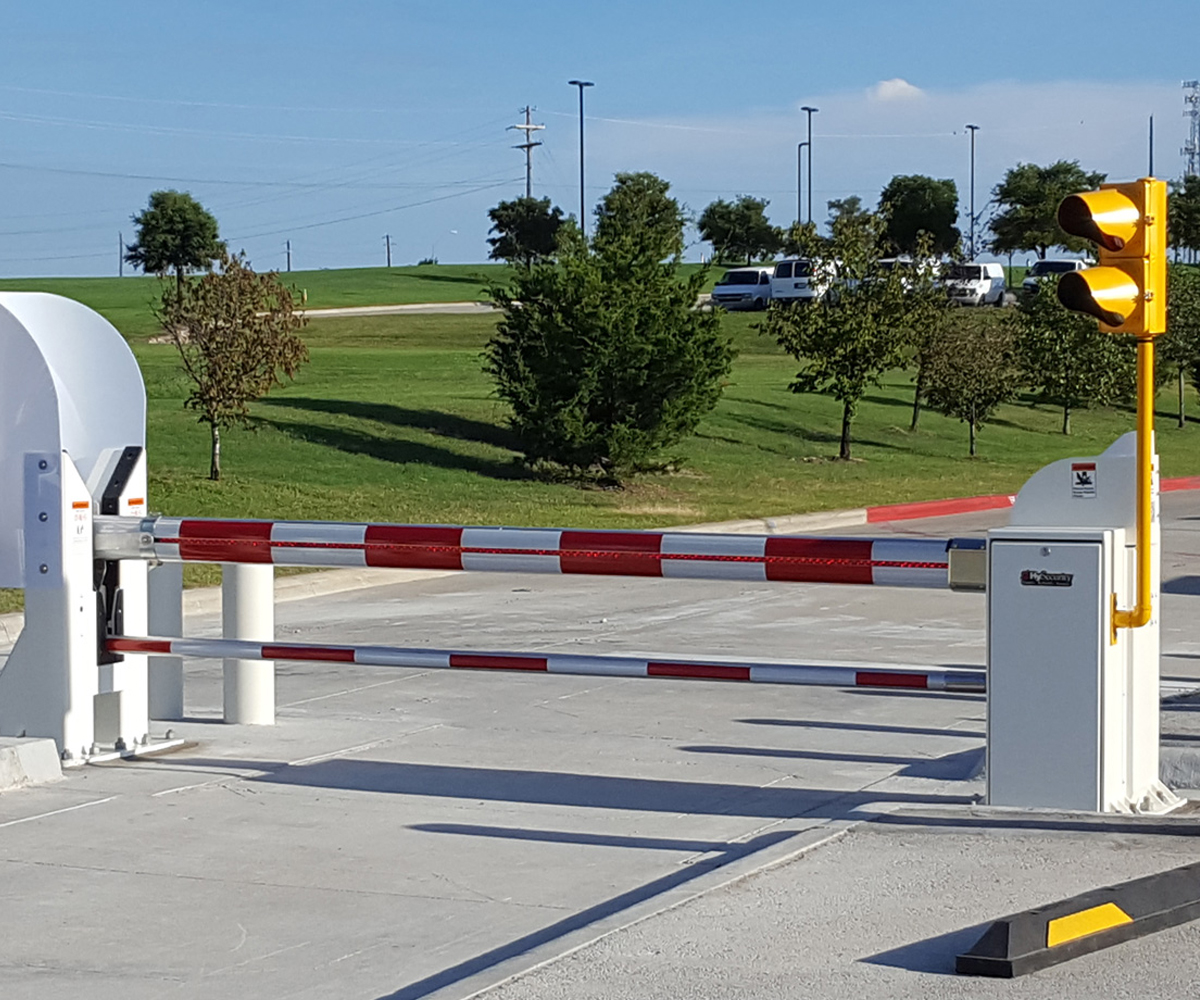
While some sites require crash-rated protection, many facilities also need efficient vehicle traffic control. Automatic Barrier Arm Gates remain one of the most widely used vehicle access management solutions available today. These systems help regulate traffic flow while supporting controlled entry and exit procedures.
Common Applications Include:
- Parking Facilities: Managing vehicle movement and parking access.
- Commercial Properties: Controlling entry for employees and visitors.
- Residential Communities: Supporting secure vehicle access for residents.
- Educational Campuses: Managing parking and vehicle circulation.
- Transportation Facilities: Organizing vehicle traffic at busy locations.
- IIndustrial Sites: Controlling vehicle movement through designated checkpoints.
Automatic barrier arm gates can often be integrated with broader access control systems to improve both efficiency and security.
Benefits of Crash-Rated Vehicle Barrier Systems
Vehicle security barriers provide several important operational and security advantages.
- Improved Perimeter Protection
- Enhanced Security Planning
- Better Traffic Control
- Access Control Integration
- Flexible Security Solutions
- Long-Term Reliability
For facilities managing both security and operational needs, these benefits can make a significant difference.
Integrating Crash Systems With Modern Access Control
Today’s security systems rarely operate independently. Many Crash-rated Barrier Systems can be Integrated With:
- Card Readers: Manage credential-based access.
- Keypads: Support code-based entry authorization.
- Intercom Systems: Allow visitor verification before access approval.
- Telephone Entry Systems: Enable remote visitor communication.
- Mobile Credentials: Provide convenient digital access management.
- License Plate Recognition Systems: Automate vehicle identification and entry authorization.
- Centralized Security Platforms: Allow administrators to manage access from a single location.
Integration helps facilities create a more coordinated and efficient security infrastructure.
Why Work With R3 Access?
High-security vehicle access systems require careful consideration. Selecting the right solution involves balancing security goals, traffic requirements, operational efficiency, and long-term reliability.
R3 Access Helps Customers Evaluate:
- Anti-ram barrier solutions
- Anti-ram gates
- Vehicle wedge barrier systems
- Automatic barrier arm gates
- Access control integration options
- Site-specific security requirements
Our goal is to help customers identify solutions that align with their operational and security objectives.
Explore Crash Systems Designed for Maximum Safety
From government facilities and military installations to transportation hubs and critical infrastructure sites, vehicle security barriers play an important role in perimeter protection and controlled access management.R3 Access helps customers explore Anti-Ram Barrier, Anti-Ram Gates, Vehicle Wedge Barrier, and Automatic Barrier Arm Gates solutions designed to support modern vehicle access security requirements.
FAQ
An Anti-Ram Barrier is a specialized vehicle security system designed to help control access to protected facilities while supporting perimeter security objectives. These systems are commonly used at government facilities, military installations, utility infrastructure sites, airports, transportation facilities, and critical operations centers. Unlike standard access gates, anti-ram barriers are often selected for locations where vehicle security is a major consideration and where access points require stronger protection measures.
Anti-Ram Gates basically function like controlled vehicle access systems; they let approved vehicles in, but they also chase broader security goals at the same time. Entry is usually handled by approved credentials, access control platforms, trained security staff, or other validation approaches. After authorization happens, the gate opens so the vehicle can pass through, then it slides back into its locked, secured position. A lot of these setups can also team up with surveillance tools and access management technologies, so everything feels more connected and a bit more responsive.
A Vehicle Wedge Barrier is a roadway-mounted security barrier that raises a reinforced wedge from the pavement when activated. These systems are frequently used in high-security environments where vehicle access control is a critical component of perimeter protection. Vehicle wedge barriers are often selected for military sites, government facilities, transportation hubs, utility infrastructure locations, and other facilities requiring controlled vehicle entry.
Common areas for the use of Vehicle Wedge Barriers are areas where vehicle security is deemed an operational requirement. Common facilities include military bases, government facilities, utility substations, transportation facilities, airports, data centers, industrial operations, and critical facilities. The type of barrier solution used will vary according to the security goals for the facility, the layout of the site, and the vehicle access needs.
Automatic Barrier Arm Gates are motorized vehicle access systems that raise and lower a barrier arm to regulate traffic movement. These systems are commonly used at parking facilities, residential communities, commercial properties, educational campuses, industrial sites, and transportation facilities. They help organize vehicle traffic while supporting access control procedures and can often integrate with modern security technologies.
Yes. Many anti-ram barrier systems can integrate with a variety of access control technologies, including card readers, keypads, intercom systems, telephone entry systems, mobile credentials, centralized management platforms, and license plate recognition systems. Integration allows facilities to create a more efficient and organized approach to vehicle access management while supporting security objectives.
Anti-Ram Gates are commonly considered for facilities where vehicle security is a significant concern. These locations often include government properties, military installations, utility infrastructure sites, transportation facilities, industrial complexes, secure campuses, and sensitive commercial operations. The selection of a particular system depends on the facility’s operational needs and overall security strategy.
Automatic Barrier Arm Gates control access to entry/exit points and regulate traffic flow. Can help minimize traffic congestion, enhance traffic flow, complement parking management systems, and facilitate the flow of vehicles around a property. These systems are commonly employed in many facilities to optimise the parking process for employees, visitors, contractors and service vehicles.
There are a few parameters that must be taken into consideration when deciding on a vehicle security barrier system. They range from security needs to layout, volume of vehicle traffic, access control, operating speed, environment, and future plans for expansion. By making proper plans, one can ensure that the chosen system will be able to support the operational goals and long-term security objectives.
Yes. Many modern crash-rated barrier systems can integrate with license plate recognition technology. This allows facilities to automate vehicle identification and streamline access management for approved vehicles. License plate recognition can also support visitor management procedures, improve operational efficiency, and provide an additional layer of access control for secured locations.
Anti-Ram Barrier systems are like most mechanical and electronic security systems and therefore require regular inspections and preventive maintenance. Regular maintenance checks can be used to ensure the device is operating correctly and to detect wear or future problems, as well as to help maintain the reliability of the device over time. Higher traffic volume sites may need more frequent inspections to help keep performance and operational readiness consistent.
Crash-rated barrier systems can be part of a perimeter protection program for some commercial properties requiring higher levels of security. These systems can be considered in distribution centers, data centers, utility facilities, transportation hubs, and some industrial facilities based on their security goals. Depending on site-specific needs and risk considerations, the appropriate solution will be applied.
Vehicle security barriers enable facilities to control vehicle access, limit vehicle traffic, complement perimeter security plans, and minimise unauthorized vehicle access. They can be integrated with access control systems, surveillance cameras, and visitor management protocols to create a comprehensive security strategy. Vehicle barriers are used by many organizations for the protection of people, property, infrastructure, and operational continuity.